Sixty Years of Grocery Shopping: How the American Supermarket Quietly Became a Different Planet
Sixty Years of Grocery Shopping: How the American Supermarket Quietly Became a Different Planet
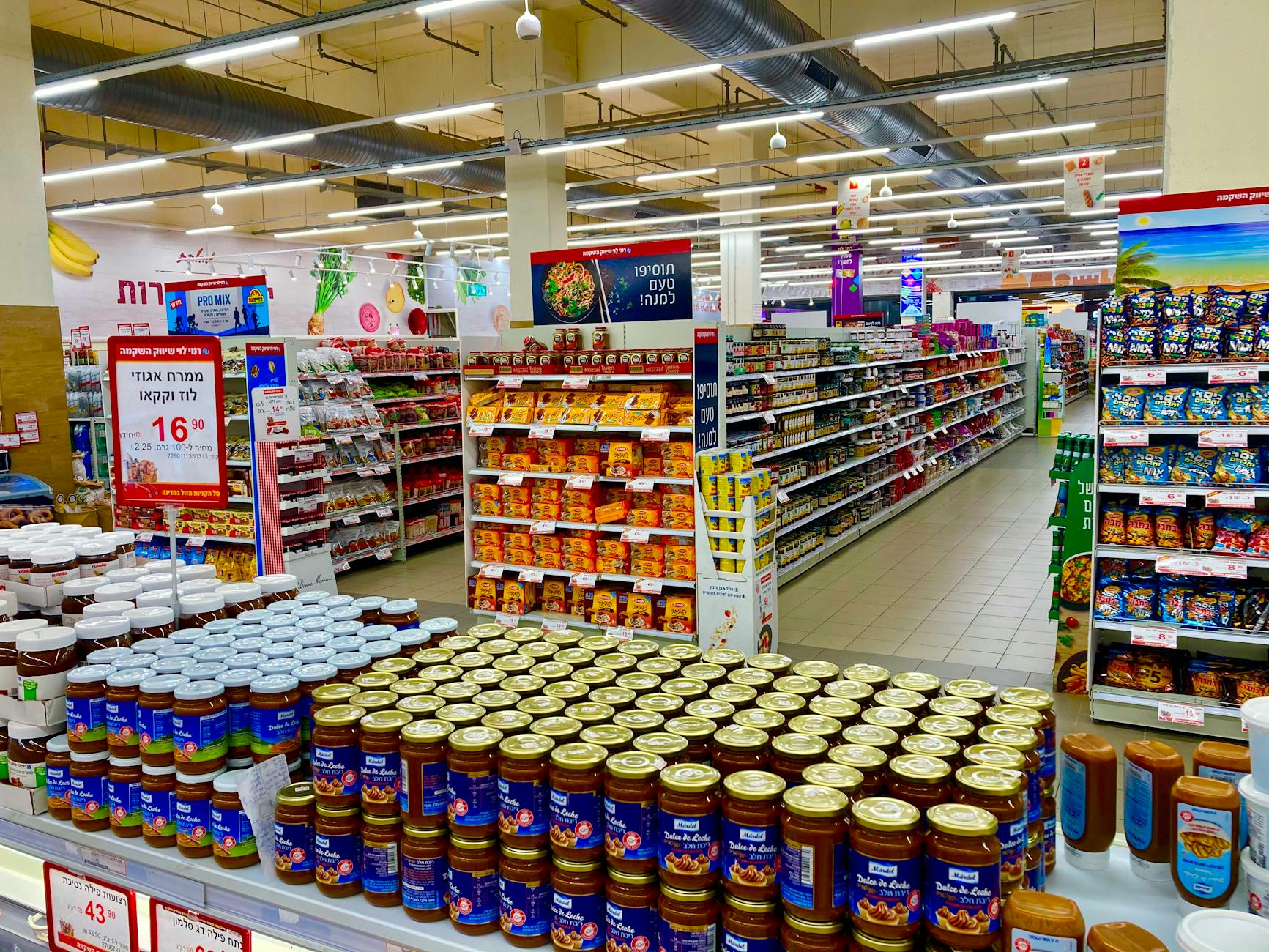
Grocery shopping is one of those tasks so routine, so woven into the background of ordinary life, that most people never stop to think about how strange and recent the whole thing actually is. You drive to a climate-controlled building the size of an airplane hangar, move through aisles stocked with products sourced from six continents, scan your own items, and sometimes don't interact with a single employee. If you're really busy, you don't even go — you order from your phone and someone brings it to your door.
None of that existed sixty years ago. And the distance between then and now is wider than most people realize.
What a 1965 Supermarket Actually Offered
The American supermarket of the mid-1960s was, by today's standards, a modest operation. The average store carried somewhere between 5,000 and 7,000 distinct products. That sounds like a lot until you compare it to the 40,000 to 50,000 SKUs that fill a modern Kroger or Safeway.
The produce section was small and almost entirely domestic. Seasonal availability was real and unavoidable — strawberries in winter were not a thing, avocados were exotic novelties found in maybe a handful of cities, and a shopper in Minnesota in January was working with apples, potatoes, cabbage, and not a great deal else. Bananas were one of the few truly year-round tropical items available nationally, and even those were a relatively recent fixture of everyday American eating.
The meat counter was staffed by an actual butcher. The deli was basic — bologna, American cheese, maybe some ham. The bread aisle offered white, wheat, and rye if you were lucky. There was no international foods section because international food, as a mainstream American retail concept, simply didn't exist yet.
And prepared meals? The frozen TV dinner, introduced in the early 1950s, was the closest thing to convenience food most households encountered. It was considered a novelty, not a staple. The idea of stopping at the grocery store to pick up a rotisserie chicken, a prepared grain bowl, or sushi — actual raw fish for home consumption — would have been genuinely incomprehensible to the average American shopper in 1965.
The Supply Chain Transformation
What changed the grocery store wasn't just consumer demand. It was the quiet, unglamorous revolution in how food moves around the world.
Refrigerated shipping containers, expanded air freight capacity, and increasingly sophisticated cold chain logistics gradually made it possible to source produce from Chile in February, shrimp from Vietnam year-round, and olive oil from a specific hillside in Tuscany if you were willing to pay for it. The geographic and seasonal constraints that had defined American food shopping for generations dissolved so gradually that most people never noticed them going.
The rise of large-scale agricultural consolidation also played a role. Supermarket chains grew bigger and gained the purchasing power to negotiate global supply deals that smaller, regional grocers never could have managed. The result was a kind of abundance that previous generations would have found almost hallucinatory.
The Numbers Tell the Story
In 1965, the average American supermarket covered around 10,000 square feet. Today's average is closer to 46,000 square feet, and many stores run significantly larger than that. Whole Foods and specialty grocers sometimes top 80,000 square feet — larger than many of the shopping malls that were themselves considered enormous in the 1970s.
The average American household now spends around $5,000 a year on groceries. Adjusted for inflation, that's not dramatically more than families spent in 1965, but what that money buys is almost incomparably different. A 1965 grocery budget bought the basics of a fairly limited American diet. The same relative spend today can include organic produce, specialty cheeses, craft beverages, international ingredients, and a rotating cast of trend-driven products that didn't exist last year and may not exist next year.
The Paradox of More
There's a well-known phenomenon in consumer psychology sometimes called the paradox of choice — the idea that too many options can actually make decision-making harder and less satisfying. Anyone who has stood in a supermarket aisle staring at 27 varieties of pasta sauce, unable to commit to any of them, has lived this theory in real time.
The 1965 grocery shopper didn't have this problem. There were two kinds of pasta sauce: the one your store carried and the one it didn't. Shopping was faster, in part, because it involved fewer decisions. Whether that simplicity was a feature or a limitation depends entirely on your perspective.
What it wasn't, though, was a reflection of the world's actual diversity. The abundance of the modern American grocery store, for all its occasional overwhelming quality, is also a genuine window onto how connected the country has become to the broader world — economically, culturally, and culinarily.
An Ordinary Errand, Reimagined
The grocery store is one of the most reliable mirrors American culture has. It reflects what we eat, what we value, how much time we have, and what we're willing to pay for convenience. The store of 1965 reflected a country that was largely domestic in its tastes, seasonal in its eating, and accustomed to cooking from scratch because the alternatives barely existed.
The store of today reflects something else entirely: a country that is time-pressed, globally curious, and so accustomed to year-round abundance that the idea of seasonal limitation feels almost quaint. Both versions of the grocery store made perfect sense for the era they served.
The drift from one to the other happened so gradually, one new product at a time, that most people didn't notice it happening. That's usually how the biggest changes work.