From Backyard Barbecues to Instagram Spectacles: How American Weddings Became Theater Productions
When Marriage Was Just About Getting Married
In 1982, Susan Miller got married in her hometown Methodist church in Ohio. The ceremony lasted thirty minutes. Her dress came from JCPenney for $89. The reception was in the church basement with ham sandwiches, potato salad, and a sheet cake from the local bakery. The photographer was her uncle with a 35mm camera. Total cost: $1,200, including the honeymoon weekend at a cabin two hours away.
Susan's wedding wasn't unusual—it was typical. Across America, couples were saying "I do" without saying goodbye to their life savings.
The Numbers Tell a Staggering Story
Today's average American wedding costs $35,000. Adjusted for inflation, Susan's 1982 wedding would cost about $3,800 in today's dollars—nearly ten times less than what couples spend now. What changed wasn't just the price tag. The entire concept of what a wedding should be underwent a complete transformation.
In the 1970s and 80s, wedding planning meant calling the church, ordering flowers from the local florist, and asking your sister-in-law to make the cake. The bride's mother might spend a few weeks addressing invitations by hand. The groom rented a tux the day before. Planning time: maybe six weeks.
Today, the average engagement lasts 14 months, and couples begin planning immediately after the proposal. Wedding planning has become a part-time job requiring spreadsheets, vendor contracts, and decision-making fatigue that would challenge a Fortune 500 CEO.
How We Built the Wedding-Industrial Complex
The shift didn't happen overnight. It started in the 1990s when bridal magazines transformed from thin quarterly publications into thick monthly lifestyle bibles. Martha Stewart Weddings launched in 1994, turning ceremonies into elaborate design projects. Suddenly, weddings needed "themes" and "color palettes" and "signature cocktails."
Television accelerated the change. Shows like "A Wedding Story" on TLC (launched in 1996) brought elaborate weddings into American living rooms every day. Each episode featured couples spending months planning increasingly elaborate celebrations. What had once been the domain of wealthy families became the expected standard for everyone.
The internet completed the transformation. Pinterest, launched in 2010, created an endless scroll of wedding inspiration that made every bride feel like her wedding needed to compete with a magazine spread. Instagram turned every guest into a photographer and every wedding into a performance for social media.
The Vendor Revolution
In 1985, most weddings involved maybe five vendors: the church, a caterer, a florist, a photographer, and a bakery. Today's weddings can involve dozens of specialists: wedding planners, day-of coordinators, lighting designers, linens rental companies, specialty transportation, hair and makeup teams, videographers, live painters, photo booth operators, and even "unplugged wedding" enforcers who make sure guests put away their phones.
Each vendor created their own mini-industry with "packages" and "upgrades" and seasonal pricing that rivals hotel rates. Getting married in June now costs significantly more than getting married in February, something that would have baffled couples in 1982.
The Destination Wedding Explosion
Perhaps nothing illustrates the change more than destination weddings. In the 1980s, getting married somewhere other than your hometown was nearly unthinkable unless you were eloping. Today, one in four American weddings happens away from the couple's home city.
Destination weddings epitomize how weddings became experiences rather than ceremonies. Couples now plan multi-day events in Napa Valley, Charleston, or tropical resorts, turning their wedding into a vacation for their guests and a logistical nightmare for themselves.
What We Lost in Translation
The irony is striking: as weddings became more elaborate, divorce rates didn't decrease. The couples spending $50,000 on their wedding day aren't statistically more likely to stay married than Susan and her husband, who are still together after 41 years.
What disappeared in the transformation was the community aspect of weddings. In 1982, weddings were potluck affairs where aunts brought casseroles and neighbors helped set up folding chairs. The celebration belonged to the community as much as the couple.
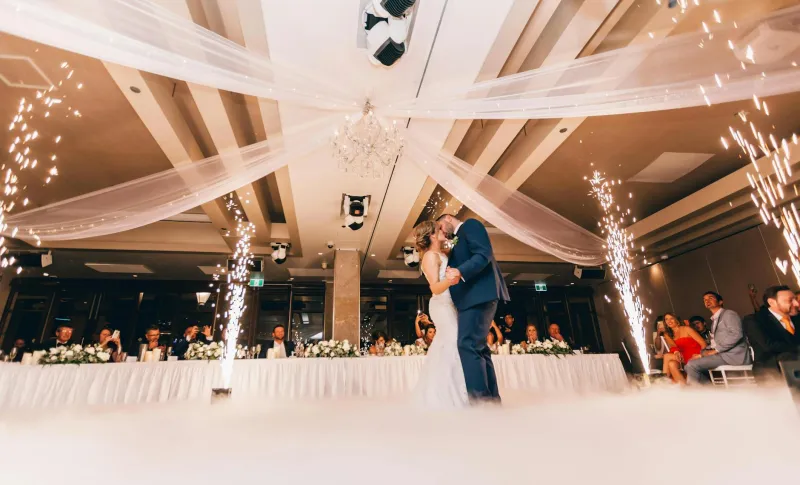
Today's weddings are performances where guests are audience members rather than participants. The focus shifted from celebrating the union to showcasing the event. Social media created pressure to make every detail photo-worthy, turning intimate moments into content opportunities.
The Financial Reality Check
The average American couple now begins married life with $6,000 in wedding debt, according to recent surveys. Many couples spend more on their wedding day than they have in their savings account. Some take out personal loans or use credit cards to fund their celebration.
This represents a fundamental shift in priorities. Previous generations saved for a house down payment while planning modest weddings. Today's couples often delay homeownership to fund their wedding day, starting their marriage with debt instead of savings.
The Drift Back to Simplicity
Interestingly, some couples are beginning to rebel against wedding industry expectations. The COVID-19 pandemic forced many couples to scale back their plans, and some discovered they preferred intimate ceremonies. "Micro-weddings" with fewer than 30 guests became popular not just out of necessity, but by choice.
Yet for most couples, the cultural pressure remains intense. Wedding websites, social media, and family expectations continue to push couples toward elaborate celebrations that would have seemed absurd to previous generations.
The transformation of American weddings from simple ceremonies to elaborate productions reveals something deeper about how we changed as a culture. We shifted from community-centered celebrations to individual performances, from practical traditions to Pinterest-worthy spectacles.
Susan Miller's 1982 wedding photos show genuine joy and relaxed celebration. Today's wedding photos often show exhausted couples who spent a year planning and a fortune executing a single day. Somewhere in the drift from simplicity to spectacle, we might have lost sight of what weddings were originally supposed to celebrate: two people choosing to build a life together.