The Daily Rhythm of Somewhere Else
Every morning at 6:47 AM, Frank Kowalski would push through the glass door of Mel's Diner on Chicago's North Side, slide into the third booth from the window, and order coffee black with wheat toast. By 7:15, he'd be joined by Eddie from the hardware store, then Maria from the flower shop, then whoever else needed a place to start their day that wasn't home and wasn't work.
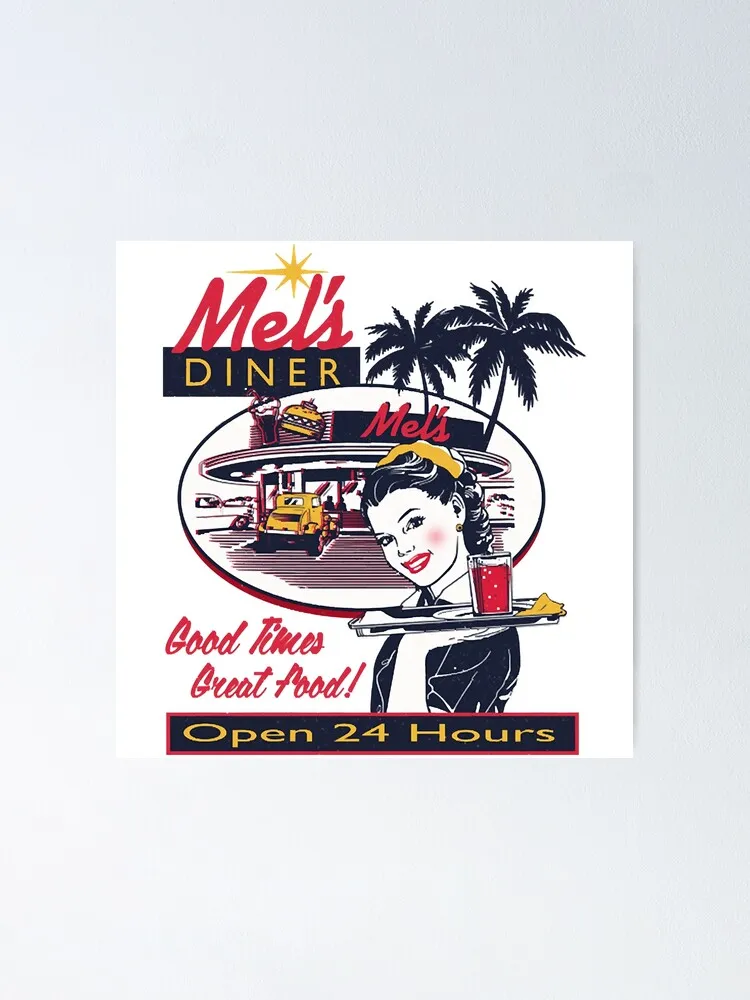 Photo: Mel's Diner, via ih1.redbubble.net
This was 1978, and Mel's represented something that's quietly disappeared from American life: the third place. Not home, not work, but somewhere in between where community happened without planning and friendships formed without apps.
Today, Frank would order coffee through an app, Eddie would check inventory online, and Maria would scroll social media. They'd never meet. The booth at Mel's is now a Starbucks where customers order ahead, grab their drinks, and leave without making eye contact.
The Geography of Belonging
Mid-century America was built around third places. Every neighborhood had them: the corner barbershop where men gathered to argue about baseball, the local diner where shift workers grabbed late dinners, the tavern where neighbors became friends over beer and conversation. These weren't destinations—they were extensions of the neighborhood's living room.
The sociologist Ray Oldenburg coined the term "third place" in the 1980s to describe these informal gathering spots that weren't home (first place) or work (second place). But by the time he named them, they were already disappearing. Shopping malls, suburban sprawl, and chain restaurants were replacing the locally-owned establishments where regulars gathered and community formed organically.
 Photo: Ray Oldenburg, via m.media-amazon.com
These places shared common characteristics: they were accessible, accommodating, and filled with regulars who knew each other's names, jobs, and family stories. Conversation was the main activity, and the atmosphere was deliberately unpretentious. You could spend hours over a cup of coffee without pressure to leave, and newcomers were welcomed into ongoing conversations about everything from local politics to last night's game.
Where Democracy Lived
The American third place was inherently democratic. At Murphy's Tavern in Boston's South End, the mailman drank next to the bank manager. At Rosa's Café in East LA, construction workers shared tables with teachers. These spaces mixed social classes and generations in ways that suburban planning and digital communication have made increasingly rare.
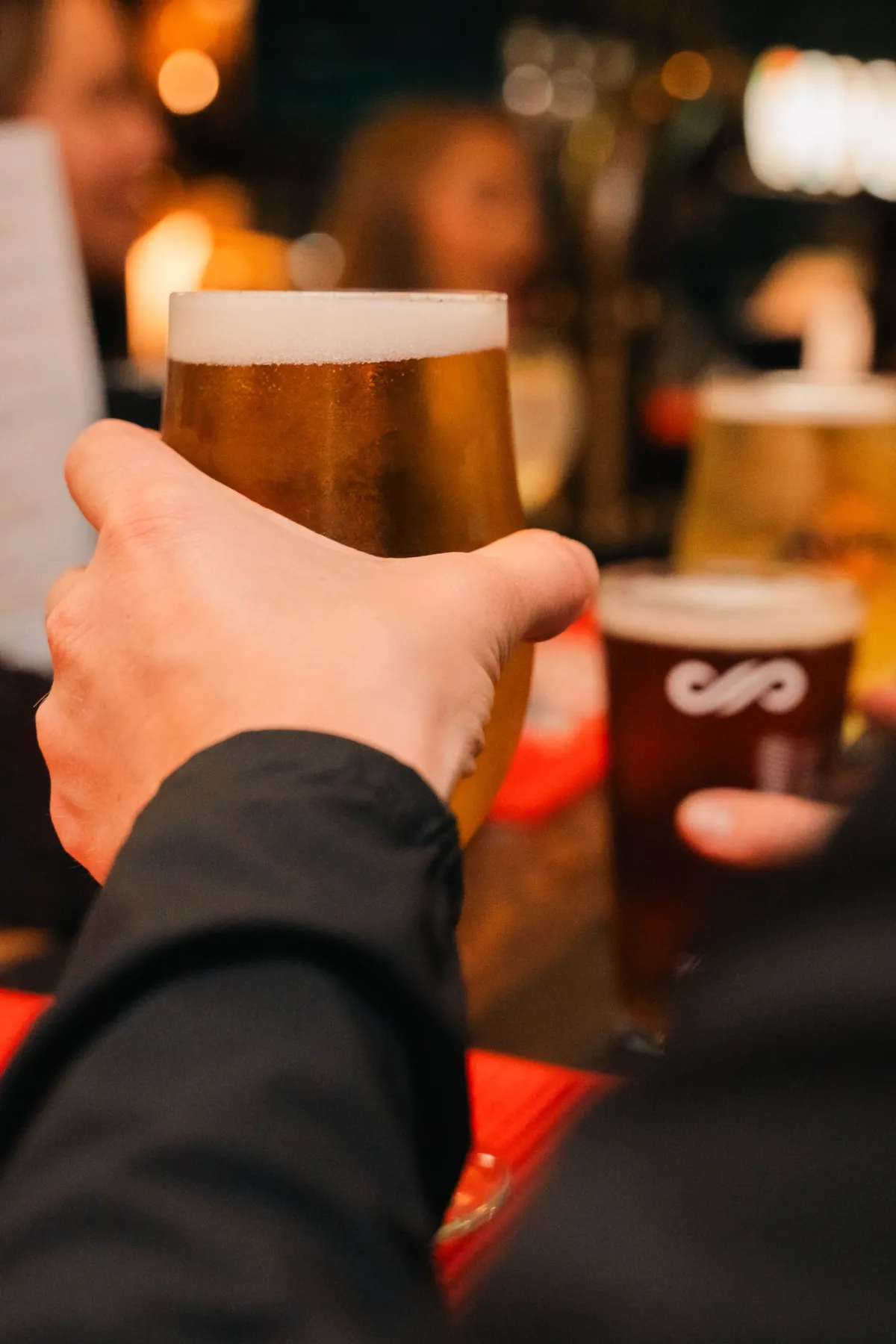 Photo: Murphy's Tavern, via murphystavern.co.uk
Political conversations happened naturally in these settings—not the performative arguments of social media, but the genuine exchange of ideas between people who had to face each other the next day. Local issues were debated over coffee. Community problems were solved over beer. The informal democracy of the neighborhood third place often accomplished more than formal civic meetings.
Consider the role of Kowalski's Barbershop in Detroit's Hamtramck neighborhood during the 1960s. It wasn't just where men got haircuts—it was where the community organized carpools for factory workers, planned block parties, and coordinated help for families facing hardship. The barbershop served as an informal city hall where neighborhood business got conducted alongside personal grooming.
The Economics of Lingering
Third places operated on an economic model that encouraged lingering. The profit came from volume and regulars, not from maximizing table turnover. Mel's Diner made money because Frank came every day for thirty years, not because they rushed him through breakfast in fifteen minutes.
This created a feedback loop of community: the longer people stayed, the more likely they were to encounter neighbors and form connections. The more connections they formed, the more reasons they had to return. The business model supported community building because community building supported the business.
Modern restaurants operate differently. They're designed for efficiency: quick ordering, rapid table turnover, and minimal social interaction. The economic incentives now discourage the kind of lingering that once built neighborhood relationships. Even coffee shops, which should theoretically serve as third places, are increasingly oriented toward takeout rather than staying in.
The Great Retreat Indoors
Several forces converged to kill America's third places. Suburbanization spread people across larger distances, making neighborhood gathering spots less viable. Chain restaurants replaced locally-owned establishments, prioritizing consistency over community. Television provided entertainment at home, reducing the need to go out for social interaction.
But the final blow came from digital technology. Why go to a bar to argue about sports when you can argue with strangers online? Why sit in a diner to read the newspaper when you can read it on your phone? Why gather at the barbershop to hear neighborhood gossip when you can follow everyone on social media?
The smartphone, in particular, eliminated many of the small inconveniences that once drove people to third places. Waiting for friends became scrolling through feeds. Boredom became a quick game or social media check. The dead time that once encouraged casual conversation now gets filled with individual digital entertainment.
What Moved Online
Social media promised to replace what we lost when third places disappeared. Facebook groups would recreate neighborhood connections. Online forums would provide the same exchange of ideas that once happened over coffee. Digital spaces would be more democratic because they weren't limited by geography or opening hours.
In some ways, this worked. Online communities can connect people across vast distances and provide support for niche interests that local neighborhoods might not support. But digital spaces lack the serendipity of physical third places. You join Facebook groups deliberately, but you stumbled into conversations at the corner diner accidentally.
The algorithm-driven nature of social media also creates echo chambers rather than the diverse mixing that characterized physical third places. At Murphy's Tavern, you talked to whoever happened to be there. On Facebook, you interact primarily with people who share your interests and opinions. The democratic mixing of different perspectives that once happened naturally now requires deliberate effort.
The New Third Places
Some modern spaces attempt to recreate what was lost. Craft breweries often encourage lingering and conversation. Independent bookstores with cafes provide spaces for reading and casual interaction. Co-working spaces serve freelancers and remote workers who need somewhere between home and a traditional office.
But these new third places serve narrower demographics than their predecessors. The craft brewery attracts a different crowd than the corner tavern once did. The bookstore café draws readers, not the random mix of neighbors who once gathered at the local diner. They're often more expensive and less accessible than the establishments they've replaced.
The closest modern equivalent to the traditional third place might be the suburban Starbucks, but even these operate differently. Customers order by name but rarely learn each other's names. They sit at individual tables with laptops rather than gathering around communal spaces for conversation. The design encourages productivity over sociability.
The Loneliness Epidemic
As third places disappeared, Americans became lonelier. Surveys consistently show increasing social isolation, particularly among young adults who never experienced the neighborhood-based community that third places provided. We have more ways to connect than ever before, but fewer places to simply be together without agenda or purpose.
The COVID-19 pandemic accelerated this trend, normalizing staying home for everything from work to shopping to entertainment. Many of the remaining third places—small restaurants, local bars, neighborhood cafes—closed permanently during lockdowns. The spaces that survived often did so by pivoting to delivery and takeout models that further reduced their function as community gathering spots.
What We Lost
The disappearance of third places represents more than just a change in how Americans socialize. It's the loss of a particular kind of democracy—the informal mixing of different kinds of people in neutral spaces where conversation could flow freely and community could form organically.
We've replaced the serendipity of running into neighbors at the corner diner with the intentionality of planned social activities. We've traded the democratic mixing of the neighborhood tavern for the algorithmic sorting of social media. We've substituted the patient conversation of the barbershop for the immediate gratification of digital entertainment.
The result is a society that's more connected but less communal, more efficient but less serendipitous, more convenient but somehow less human. We've solved the problem of having nowhere to go by making going anywhere unnecessary. But in doing so, we've lost something essential: the places where strangers became neighbors, where democracy lived in daily conversation, and where community happened simply because people had somewhere else to be together.
The third place didn't just disappear—it took with it a particular kind of American social life, one that required no technology, no planning, and no purpose beyond the simple human need to be somewhere together.