Grandma's Secret Ingredient Was Memory: How Americans Forgot How to Cook Without Instructions
My grandmother never owned a cookbook. She cooked three meals a day for forty-seven years without consulting a single recipe, measuring cup, or cooking app. Her kitchen operated on instinct, muscle memory, and the kind of culinary confidence that came from doing the same thing thousands of times until it became as natural as breathing.
Today, I watch YouTube videos to remember how long to boil pasta.
The Kitchen That Ran on Feel
In 1960s America, most home kitchens operated like well-rehearsed orchestras. Mothers and grandmothers moved through meal preparation with an efficiency born of repetition and necessity. They didn't measure ingredients so much as feel them – a pinch of this, a handful of that, a splash of something else until it looked right.
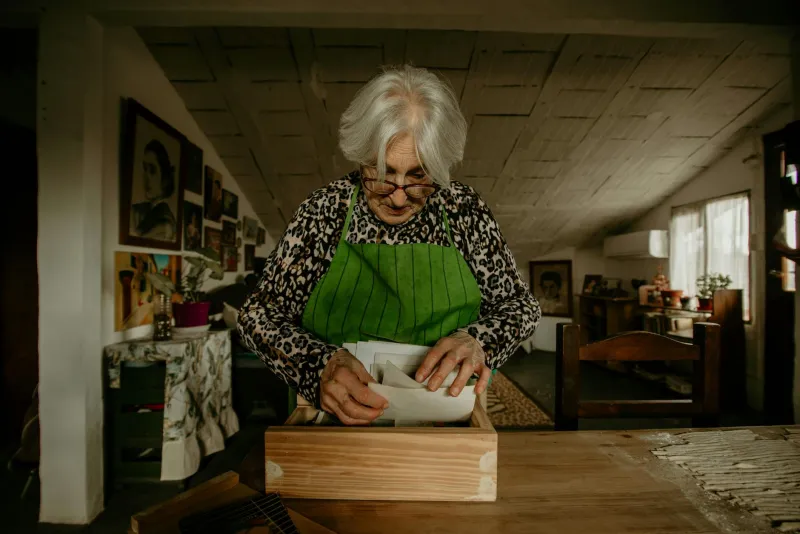
Recipe cards existed, but they served more as rough guidelines than strict instructions. The cards tucked into wooden recipe boxes contained cryptic notes like "cook until done" or "add flour until it feels right." These weren't recipes in the modern sense – they were memory aids for techniques already mastered through years of practice.
Cooking knowledge passed from mother to daughter through observation and participation rather than written instruction. Young girls learned to cook by standing on kitchen stools, watching their mothers' hands, and gradually taking on responsibilities as their skills developed. By the time they established their own households, they carried entire culinary libraries in their muscle memory.
When Pantries Told Stories
The well-stocked pantry of mid-century America told the story of a cook who understood ingredients at a fundamental level. Flour, sugar, salt, baking powder, and a few spices could become dozens of different dishes depending on proportions, techniques, and timing.
Cooks knew which potatoes were best for mashing versus frying. They could tell when meat was done by touch rather than thermometer readings. They understood how weather affected bread rising, how altitude changed baking times, and how to salvage dishes that weren't turning out as expected.
Most importantly, they cooked from what they had rather than shopping for what recipes demanded. Dinner emerged from whatever vegetables were in season, whatever meat was on sale, and whatever leftovers needed using up. Creativity was born of limitation rather than choice.
The Recipe Revolution
The transformation began in the 1970s as packaged food companies started marketing convenience alongside complexity. Suddenly, cooking required specific branded ingredients and precise measurements. The Betty Crocker cookbook became gospel, and following recipes exactly became a virtue rather than a crutch.
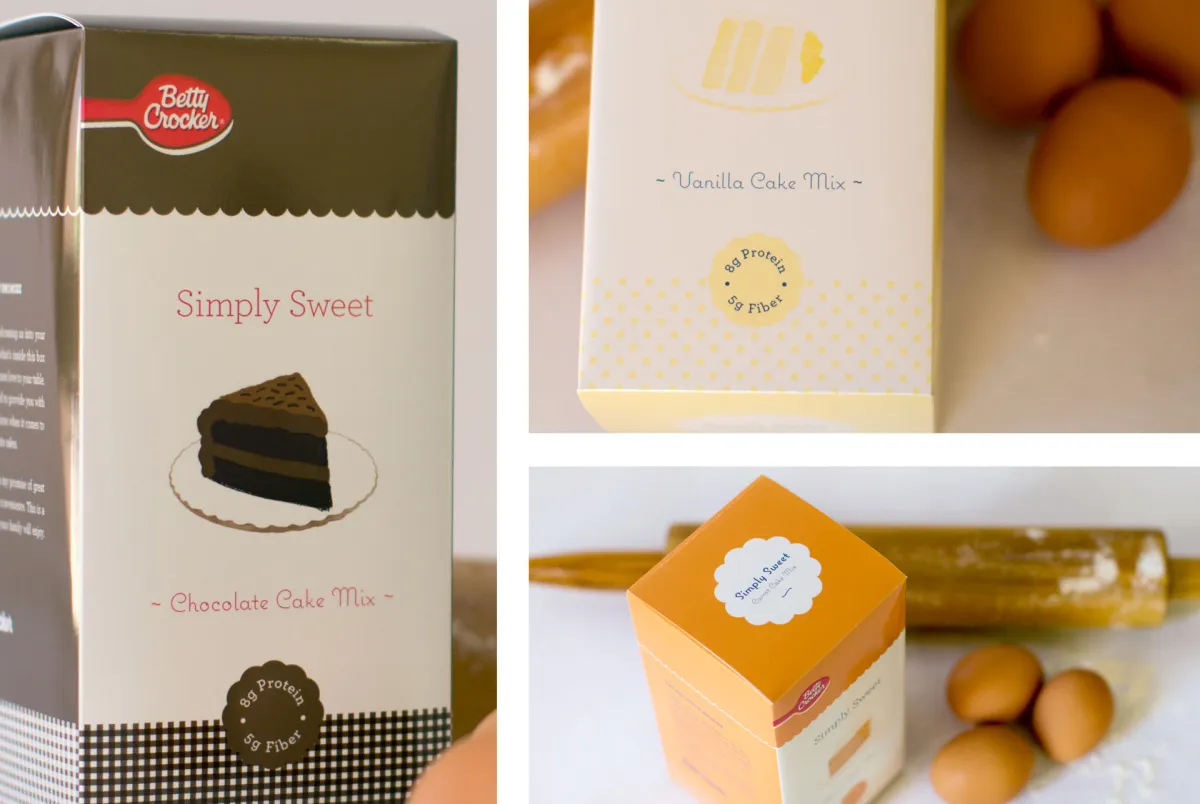 Photo: Betty Crocker, via mir-s3-cdn-cf.behance.net
Television cooking shows accelerated the change by professionalizing home cooking. Julia Child and her successors taught Americans that cooking was a skill requiring proper technique, specific ingredients, and careful attention to detail. While this elevated culinary standards, it also introduced the idea that cooking without expert guidance was risky.
By the 1980s, cookbook collections had become kitchen status symbols. Cooking magazines promised perfect results if readers followed their detailed instructions exactly. The confidence that came from years of practice was gradually replaced by dependence on external authority.
The Digital Recipe Dependency
Today's American kitchen operates on an entirely different principle. We cook with smartphones propped against spice racks, following step-by-step videos that guide us through techniques our grandmothers considered elementary. Recipe apps send push notifications when it's time to flip the chicken. Meal kit services deliver pre-measured ingredients with color-coded instruction cards that eliminate any need for culinary judgment.
The modern cook rarely improvises. We Google "how long to cook rice" rather than trusting our senses. We measure vanilla extract to the quarter-teaspoon rather than adding it until it smells right. We set timers for everything because we've lost the ability to tell when food is done by sight, sound, or smell.
Even simple techniques that previous generations mastered through repetition now require external validation. YouTube videos explaining "how to scramble eggs" have millions of views, suggesting that basic cooking skills are no longer passed down through families but learned from strangers on the internet.
The Meal Kit Generation
Perhaps nothing illustrates the transformation more clearly than the rise of meal kit delivery services. These companies promise to make cooking accessible by eliminating the need for meal planning, grocery shopping, and ingredient estimation. Everything arrives pre-measured and pre-planned, reducing cooking to following illustrated instructions.
While meal kits have introduced many Americans to new ingredients and techniques, they've also reinforced the idea that cooking requires external guidance and pre-planned precision. The spontaneous weeknight dinner created from whatever's in the refrigerator has largely disappeared from American kitchens.
Meal kit subscribers often report feeling lost when they try to cook without the service's guidance. The training wheels become permanent fixtures rather than temporary learning aids.
What We Gained and Lost
Modern American cooking has undeniably improved in many ways. We have access to ingredients our grandmothers never imagined. Cooking shows and online resources have elevated technical skills and introduced global cuisines to suburban kitchens. Food safety knowledge has reduced the risks that came with cooking entirely by feel.
But something essential has disappeared in the translation. The confidence that came from understanding ingredients at an intuitive level has been replaced by anxiety about following instructions perfectly. The creativity that emerged from limitation has given way to paralysis in the face of infinite choice.
Most significantly, we've lost the connection between cooking and memory. Food was once the repository of family history, cultural identity, and personal experience. Recipes carried stories across generations – not just ingredients and techniques, but memories of special occasions, family traditions, and the people who taught us to cook.
The Empty Recipe Box
Today's recipe collections live in Pinterest boards and bookmarked websites rather than wooden boxes stuffed with handwritten cards. Digital recipes offer precision and variety, but they lack the emotional weight of cards stained with decades of use, annotated with family modifications, and passed down through generations.
We've traded the messy, imperfect art of cooking from memory for the clean precision of algorithmic meal planning. The kitchen that once operated on instinct now runs on instructions. And while our meals might be more technically proficient, they carry less of ourselves within them.
The recipe box sits empty not because we don't cook, but because we've forgotten how to cook from the heart rather than from the screen.