Lunch Used to Be Somewhere You Actually Went
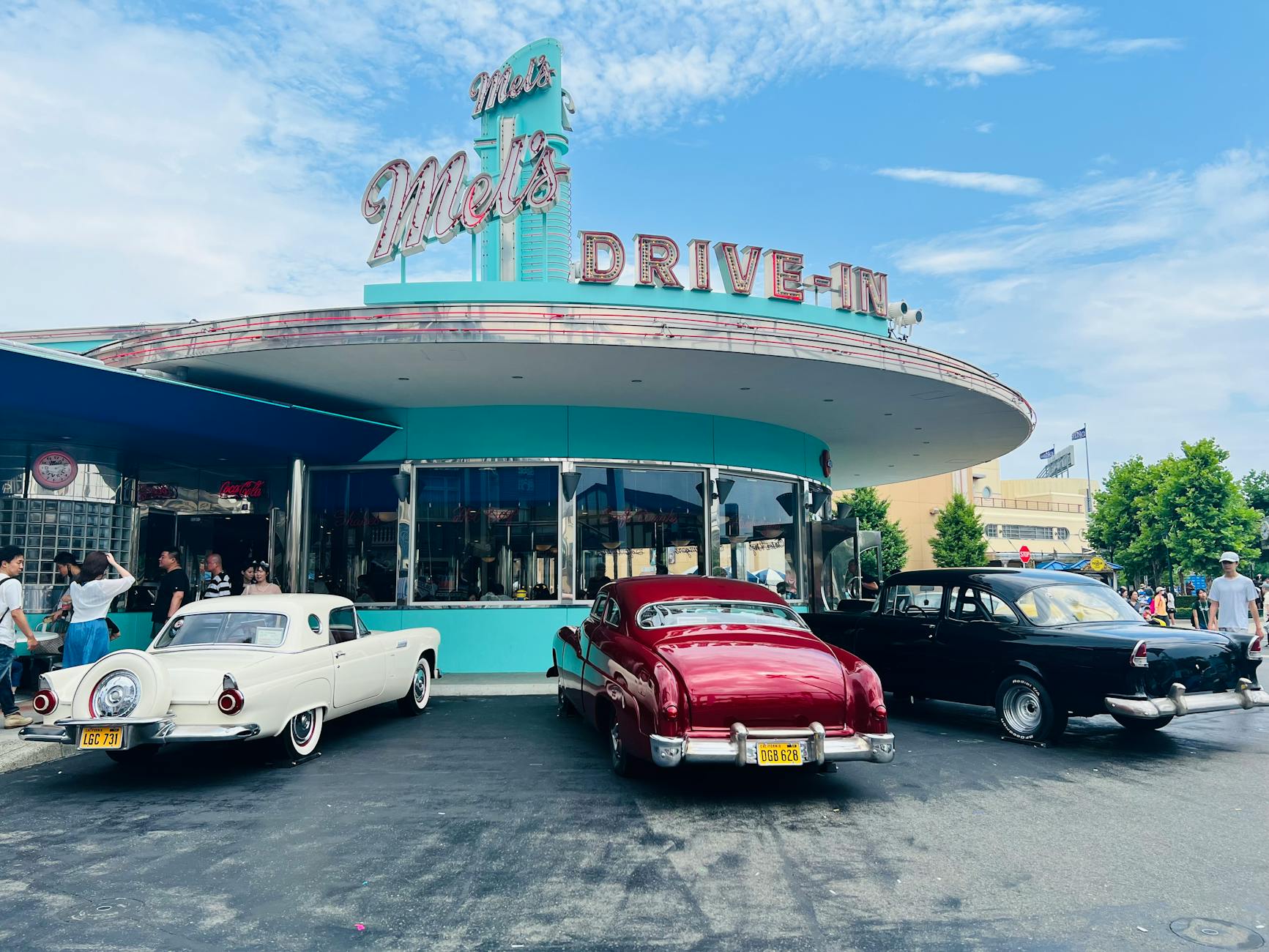
Lunch Used to Be Somewhere You Actually Went
Somewhere between the mid-century diner and the sad desk sandwich, America lost something it didn't vote to give up. The lunch break — that reliable, protected pause in the middle of the working day — quietly eroded over a few decades until it became almost vestigial. Most workers still technically have one. Most don't really use it.
That shift is worth examining, because it wasn't accidental. It reflects something real about how American attitudes toward work, time, and productivity changed — and what those changes cost.
When the Middle of the Day Belonged to You
Through the 1950s and into the 1960s, the one-hour lunch break was a fixed feature of American working life, and it was taken seriously. Office workers in cities walked to diners, cafeterias, or sit-down restaurants as a matter of routine. Factory workers had union-negotiated meal periods that were genuinely enforced. Even in smaller towns and suburban offices, the midday hour carried a kind of social weight — it was time that belonged to the employee, not the employer.
This wasn't just a cultural nicety. It was built into the physical fabric of working life. Cities developed entire commercial ecosystems around the lunch crowd. Lunch counters, delis, and quick-service restaurants timed their operations to the noon rush. In downtown Chicago, New York, and Los Angeles, the sidewalks filled and emptied with a clockwork regularity that shaped the city's rhythm.
For many workers — particularly in white-collar environments — lunch was also social currency. Business lunches were genuine events, sometimes stretching to 90 minutes or two hours, conducted over a real meal at a restaurant where a human being brought you food and refilled your coffee. Deals were made. Relationships were built. The table was where a lot of actual work happened, just not the kind that showed up on a timesheet.
The Slow Erosion
The squeeze on the lunch break didn't happen all at once. It was gradual — a product of converging pressures that built quietly through the 1970s, 80s, and 90s.
The first pressure was economic. The stagflation of the 1970s and the corporate restructuring wave that followed in the 80s put a new premium on visible productivity. Headcounts shrank. The remaining workers absorbed more work. Taking a full hour for lunch started to feel, in some offices, like a statement — and not always a welcome one.
The second pressure was technological. The desktop computer, and later email, tethered workers to their workstations in ways that telephone-based offices never quite managed. When your inbox could fill up in an hour, leaving for an hour felt riskier. The cost of being away became more visible, even if the benefit of rest remained just as real.
By the mid-1990s, the working lunch had evolved into something different from what it had been. A survey from that era found that the average American lunch break had already shrunk to around 30 minutes. The sit-down restaurant meal was giving way to takeout containers eaten at the desk.
The Smartphone Finished the Job
If the desktop computer started the erosion, the smartphone completed it. When the workday became something you carried in your pocket, the concept of a genuine break from it became almost philosophical.
Today, the data on American lunch habits is striking. A 2019 survey by Tork found that 62 percent of American workers typically eat lunch at their desks. Only one in five workers takes a real lunch break on a daily basis. More than half say they feel guilty for stepping away from their work at midday — a sentiment that would have been genuinely baffling to a factory worker in 1962 or an office manager in 1955.
For remote workers — a category that expanded dramatically after 2020 — the erosion is even more pronounced. When home and office occupy the same physical space, the boundaries that once structured the workday dissolve. Lunch becomes a matter of opening the refrigerator between calls, eating while the screen is still on, or skipping it altogether because stopping feels harder than continuing.
What the Research Actually Says
Here's the irony: the productivity gains from eliminating the lunch break are largely illusory.
Research consistently shows that mental fatigue accumulates throughout the day and that genuine breaks — particularly those involving physical movement, social interaction, or a complete change of environment — restore cognitive function in ways that brief task-switching does not. A 2021 study published in the journal PLOS ONE found that short walks during the workday significantly improved mood and reduced stress, with effects that persisted into the afternoon hours.
The economics of skipping lunch also carry hidden costs. Workers who don't take real breaks report higher rates of burnout, lower job satisfaction, and reduced creative thinking. The connection between employee wellbeing and long-term productivity is well-established in the research literature, even if it's consistently underweighted in workplace culture.
The business lunch, for all its reputation as an indulgence, served real functions. Relationships built over meals generate trust in ways that email threads don't. The informal conversation over a sandwich often surfaces the idea that the formal meeting missed. Stepping away from the building, even for 45 minutes, resets something that staring at a second monitor cannot.
The Cost of the Always-On Day
The disappearance of the lunch break is, at its core, a story about how American work culture absorbed more and more of the working day without ever formally asking permission. No one announced that lunch was over. No policy was written. It just became easier, then expected, then normal to stay at the desk.
What drifted away wasn't just a meal. It was a structured acknowledgment that human beings are not machines — that the day has a middle, and the middle deserves something.
The diner is still there, in most cities. The sidewalk still fills at noon. But the workers who used to fill it are, more often than not, still at their desks, eating something they ordered to the office, half-watching their inbox.
Somewhere, there's a booth with their name on it. It's been empty for a while.