The Pointless Drive That Had All the Point in the World
The Ritual That Required No Reason
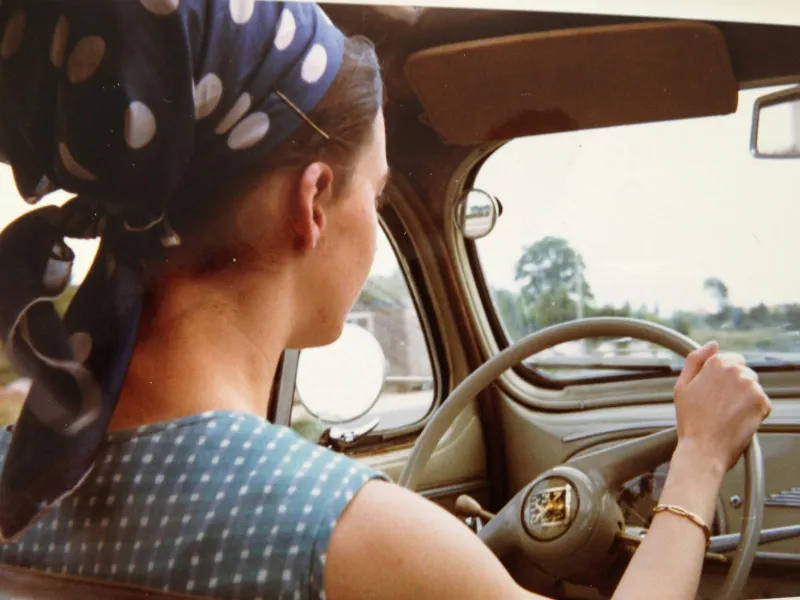
Every Sunday after church and dinner, the Hendersons would pile into their 1967 Chevrolet Impala for what they simply called "a drive." No GPS coordinates, no Yelp reviews to chase, no Instagram-worthy destination in mind. Just four people in a car, windows down, radio playing softly, heading wherever the road took them.
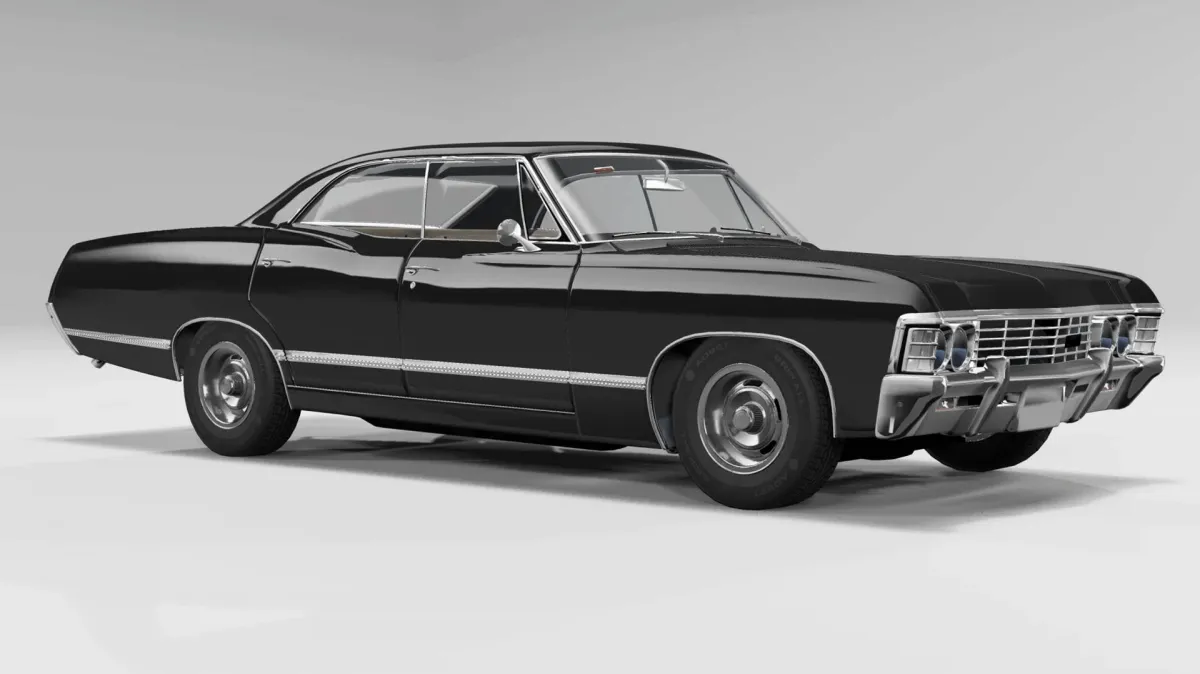 Photo: 1967 Chevrolet Impala, via wallpapers.com
Sometimes they'd wind through the newer subdivisions to see what houses were going up. Other Sundays, they'd take the highway out toward the farmland, watching corn grow taller through the summer months. Occasionally, they'd drive to the lake just to see if anyone was fishing. The destination never mattered. The drive itself was the point.
For millions of American families from the 1940s through the 1980s, this Sunday afternoon ritual was as predictable as church or dinner. It was a time when families sat together without agenda, when conversation happened naturally, when boredom was acceptable and rest came without guilt.
Before Entertainment Required a Plan
The Sunday drive existed in an era when Americans were comfortable with unstructured time. Families didn't feel pressure to maximize every moment or optimize every activity. A slow, meandering car ride through familiar territory counted as quality time together.
Children would sprawl across bench seats, counting license plates from different states or playing simple games like "20 Questions." Parents would point out changes in the neighborhood—a new house going up, an old barn coming down, a business changing hands. These observations became the stuff of family memory: "Remember when that whole area was just farmland?" or "Look how tall those trees got since we planted them."
The drives often included stops that weren't really destinations. A roadside stand selling fresh corn. A scenic overlook where families would get out and stretch their legs. A small town main street where they might walk around for twenty minutes, window shopping at stores that were closed on Sundays anyway.
The Geography of Wandering
Every region had its Sunday drive routes. In New England, families followed winding country roads past stone walls and covered bridges. Midwestern families drove the section roads that cut perfect grids through cornfields and past red barns. West Coast families headed toward the ocean or up into the hills for views of the valley below.
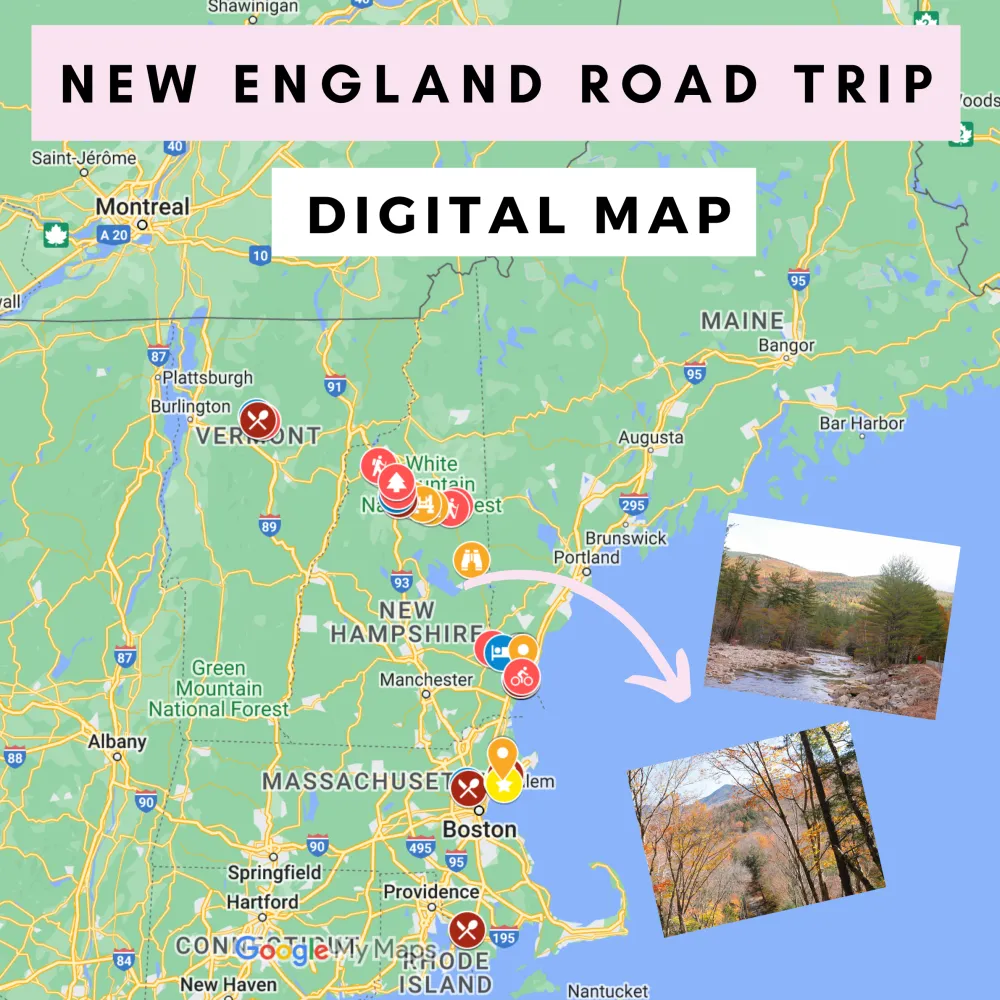 Photo: New England, via jojoscupofmocha.com
These weren't tourist routes or scenic byways marked on maps. They were the ordinary roads that connected small towns, the back ways that locals knew, the routes that revealed the quiet beauty of everyday American landscape. Families developed favorite loops—a circuit that took about an hour, hitting the right combination of scenery and interesting sights.
The drives created an intimate knowledge of place that's rare today. Children grew up knowing every road within a twenty-mile radius of home. They could navigate by landmarks—the red barn with the Mail Pouch tobacco sign, the creek that flooded every spring, the hill where you could see three counties.
 Photo: Mail Pouch, via paintingvalley.com
The Conversation That Happened Naturally
Something about the rhythm of driving made conversation flow differently. Without the distractions of screens or scheduled activities, families talked about things that might never come up otherwise. Parents shared stories from their own childhoods. Children asked questions about family history or wondered aloud about their future.
The car became a confessional of sorts—a private space where family members could share thoughts without the intensity of face-to-face discussion. Many parents discovered things about their children during these drives that never would have emerged at the dinner table or during bedtime routines.
The pace of driving matched the pace of thought. Unlike today's rapid-fire conversations punctuated by phone notifications, Sunday drive discussions unfolded slowly, with long pauses for contemplation and observation.
When Rest Didn't Require Justification
The Sunday drive represented a particular American approach to leisure—one that valued process over outcome, experience over achievement. Families didn't need to accomplish anything or arrive anywhere to feel that their time had been well spent.
This was radical in its own quiet way. In a culture increasingly focused on productivity and efficiency, the Sunday drive was deliberately inefficient. It used gasoline to go nowhere, spent time to accomplish nothing, and prioritized being together over getting things done.
For children, these drives taught patience and observation. They learned to find entertainment in watching the world go by, in noticing small changes in familiar places, in enjoying their family's company without external stimulation.
The Death of Aimless Travel
The Sunday drive began disappearing in the 1980s and was largely extinct by the 2000s. Several forces combined to kill it off. Rising gas prices made recreational driving seem wasteful. Busier family schedules left less time for unstructured activities. The proliferation of children's sports and activities consumed weekend time.
But perhaps most importantly, the cultural tolerance for boredom disappeared. Families felt pressure to make every moment count, to have something to show for their time. A drive that went nowhere and accomplished nothing began to feel like a waste.
Smartphones and GPS delivered the final blow. When every moment could be filled with entertainment and every route could be optimized, the slow, meandering Sunday drive seemed almost primitive.
What We Lost in the Translation
The disappearance of the Sunday drive represents more than just a change in how families spend their weekends. It marks the end of a particular relationship with place, time, and each other.
Families today often struggle to find unstructured time together. Every activity needs a purpose, every outing requires a destination. The idea of spending an hour in the car together with no agenda feels foreign, even wasteful.
Children miss out on developing what psychologists call "geographic literacy"—the deep familiarity with local landscape that comes from repeated, unhurried observation. They're more likely to know their way around a video game than around their own county.
The Rediscovery of Going Nowhere
Interestingly, some families are rediscovering the value of aimless driving. The pandemic, when many destinations were closed but driving remained safe, reminded people of the simple pleasure of being together in a car with nowhere particular to go.
Some parents report that their best conversations with teenagers happen during long car rides—when the pressure of eye contact is removed and the rhythm of driving creates space for honest discussion.
The Sunday drive may never return as a widespread cultural practice, but its essential insight remains valid: sometimes the most meaningful journeys are the ones that take you nowhere in particular. In our age of optimized everything, there's something revolutionary about choosing inefficiency, about valuing the process over the destination, about finding purpose in having no purpose at all.
The road is still there. The question is whether we'll remember that sometimes the best reason to take it is no reason at all.