The Sunday Best Portrait
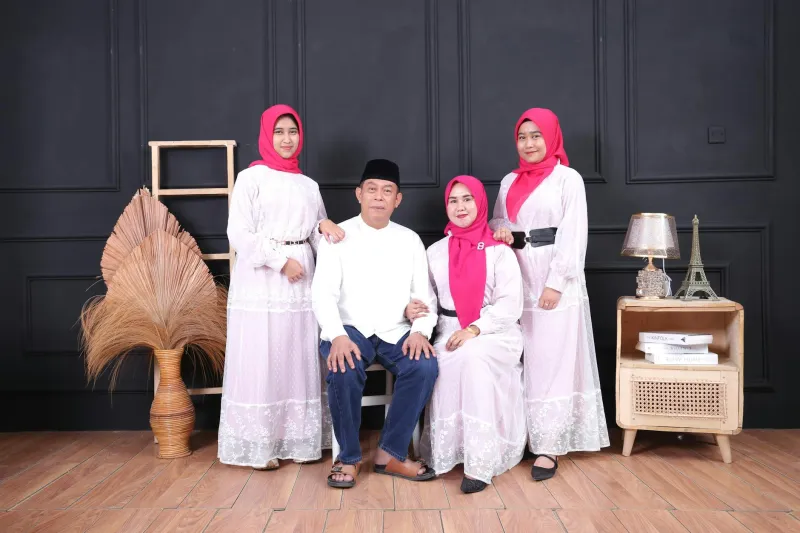
In 1955, the Morrison family of Akron, Ohio, gathered in their living room wearing their finest clothes. Six-year-old Tommy had been scrubbed clean, his cowlick tamed with pomade. His sister wore her Easter dress, and their parents stood formally behind them. The photographer, a local professional hired for this annual occasion, adjusted his large format camera and called for everyone to hold still.
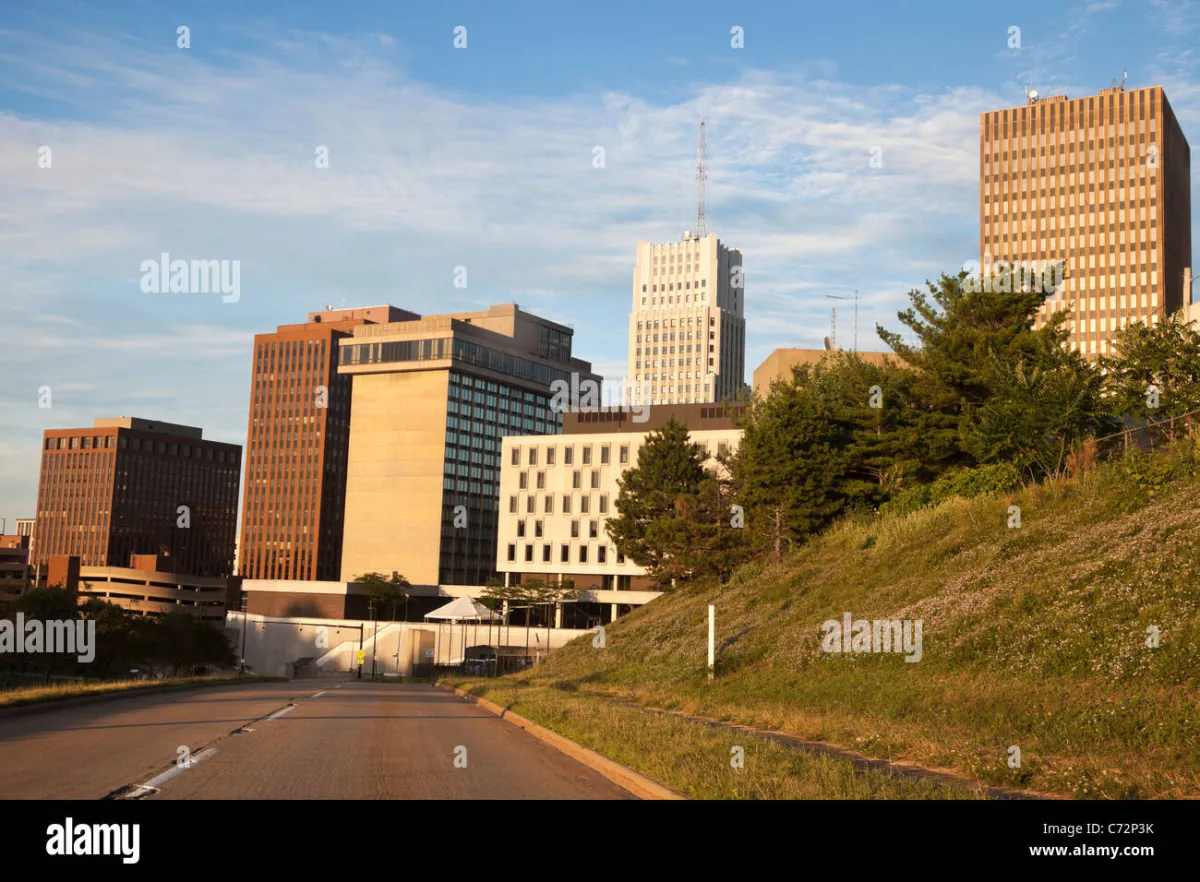 Photo: Akron, Ohio, via c8.alamy.com
This single photograph would cost the equivalent of $85 in today's money and represent the only family portrait taken that year.
Fast-forward to today: the average American takes 2,000 photos annually on their smartphone alone. Most are deleted within months. Almost none are printed. The careful ceremony of picture-taking has been replaced by endless, casual documentation that somehow preserves less than it captures.
When Film Was Currency
Before digital cameras, every photograph cost money—real money that families had to budget for. A roll of film held 24 or 36 exposures, and developing those pictures could cost a day's wages. This economic reality meant that cameras came out for special occasions: birthdays, graduations, holidays, and the annual family portrait.
The Kodak Brownie, America's most popular camera in the 1950s, required genuine consideration before each shot. You couldn't see the result until the film was developed, sometimes weeks later. There were no do-overs, no immediate previews, no delete buttons. Every click of the shutter was a small bet that the moment was worth preserving.
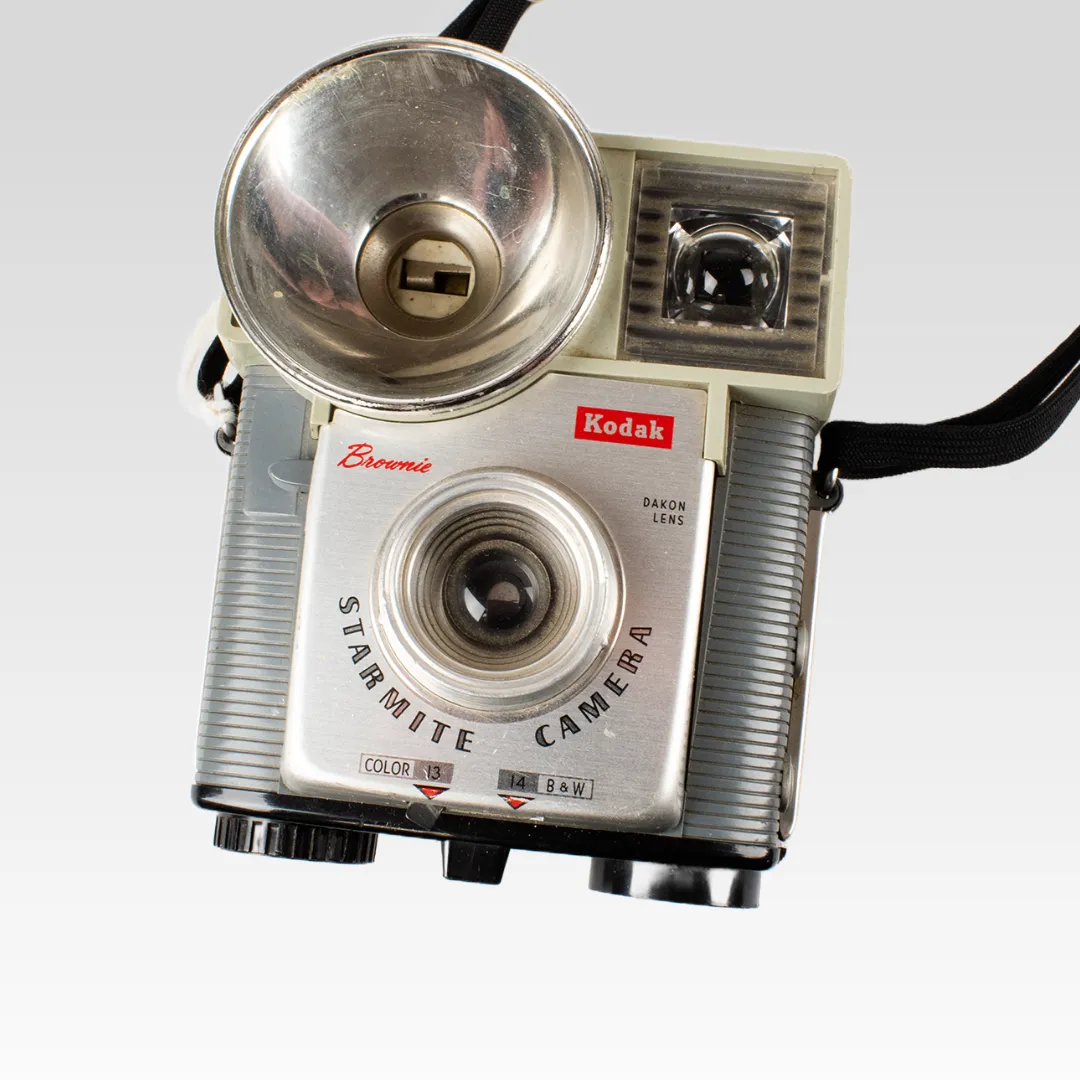 Photo: Kodak Brownie, via missionmuseum.com
This scarcity created value. Families planned photo sessions like small productions. Children were coached on how to stand, where to look, and most importantly, how to hold still. The resulting photographs carried weight because they represented significant investment in time, money, and intention.
The Architecture of Memory
Mid-century American families organized their visual history around physical albums. These weren't casual collections but carefully curated narratives of family life. Photographs were selected, arranged chronologically, and often accompanied by handwritten captions that provided context future generations would need.
The typical family album from 1960 contained perhaps 200 photographs spanning several years. Each image had been chosen deliberately—the best shot from Tommy's birthday party, the clearest picture from the family vacation to Yellowstone, the most flattering portrait from Christmas morning. These albums became family treasures, brought out for special occasions and passed down through generations.
Compare this to today's digital photo libraries: thousands of similar images, poorly organized, rarely viewed after the initial sharing, and completely dependent on technology that becomes obsolete every few years. We've documented more but preserved less.
The Democracy of Special Occasions
When photographs were expensive, every subject became elevated. A child's first day of school warranted the same careful composition as a wedding portrait. Family picnics were staged with the formality usually reserved for state dinners. Even candid moments—when they were captured at all—carried the weight of conscious decision-making.
This democratic approach to photography meant that ordinary American life was documented with extraordinary care. The resulting images reveal not just how people looked, but how they wanted to be remembered. There's dignity in these photographs that's often missing from today's casual snapshots.
Look at any family album from the 1940s or 50s, and you'll notice something remarkable: people are genuinely present in their own photographs. They're not checking phones, making faces, or performing for an audience. They're simply there, fully engaged with the moment and the camera that's preserving it.
The Ritual of Development
Taking the photograph was only the beginning. Families would drop off their film at the local drugstore and wait a week for development—a period of anticipation that added to photography's emotional weight. The envelope of finished prints was opened with ceremony, and disappointments were genuinely disappointing because there was no second chance.
This delay between capture and viewing created a unique temporal experience. Families would rediscover their own recent history when the photographs returned. Children would see themselves from weeks ago and marvel at the magic of preservation. The waiting made the viewing precious.
Today's instant gratification has eliminated this anticipation entirely. We see photographs immediately, share them instantly, and forget them quickly. The temporal weight that once made pictures precious has been replaced by the temporal weightlessness of endless availability.
When Cameras Stayed Home
In the pre-digital era, cameras were furniture. They lived in specific places—usually a hall closet or bedroom drawer—and emerged for specific purposes. This meant that most of life went undocumented, and that documentation, when it occurred, felt special.
Families didn't carry cameras to grocery stores, restaurants, or casual gatherings. The camera's presence announced that something worth remembering was happening. This selectivity meant that being photographed felt significant, both for the subject and the photographer.
The smartphone camera's constant availability has democratized photography but eliminated its ceremonial nature. When every moment can be captured, no moment feels particularly worth capturing. We've solved the problem of missing memories by making all memories equally forgettable.
The Physics of Permanence
Physical photographs occupied space in ways that created lasting value. They sat on mantels, filled wallets, and covered refrigerators. They were touched, shared, and physically passed from person to person. This tactile quality made them feel permanent in ways that digital images never can.
The family photograph that once anchored the living room served as a daily reminder of connection and continuity. It wasn't just documentation but decoration—a physical manifestation of family identity that guests would notice and comment on. These images shaped how families saw themselves because they were constantly visible.
Digital photographs, stored in cloud accounts and smartphone galleries, lack this physical presence. They exist in a virtual space that feels both infinite and ephemeral. We have more family photos than ever before, but they're less present in our daily lives than the single formal portrait that once dominated the family room.
What We Lost in Translation
The transition from film to digital photography solved many problems: cost, convenience, storage, and sharing. But it also eliminated something valuable—the weight that scarcity provided. When every moment can be photographed, no moment feels particularly photogenic. When every image can be perfected, no image feels particularly perfect.
Modern families take thousands of photos but struggle to identify which ones matter. The abundance that was supposed to ensure we never missed a precious moment has made it harder to recognize precious moments when they occur. We've become documentarians of our own lives but lost the curation skills that once turned documentation into memory.
The formal family portrait, taken once a year with careful preparation and genuine expense, captured something that thousands of casual smartphone photos cannot: the weight of time, the value of presence, and the democracy of ordinary moments elevated to the level of art.
In gaining the ability to photograph everything, we've lost the ability to make any single photograph feel like anything special. The camera that was once a special occasion has become so ordinary that special occasions no longer feel worth the camera.