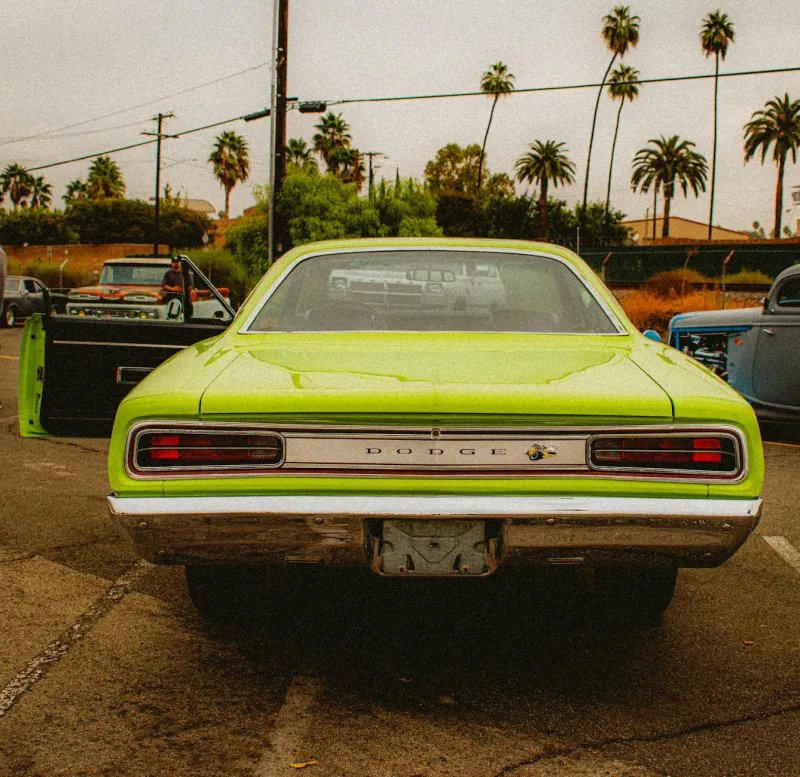
In 1970, Jimmy Peterson graduated high school in May and bought a brand-new Ford Mustang in July. He paid $2,400 cash – money he'd saved from his after-school job at the local gas station where he earned $1.60 an hour. The car cost roughly three months of his father's salary as a factory worker.
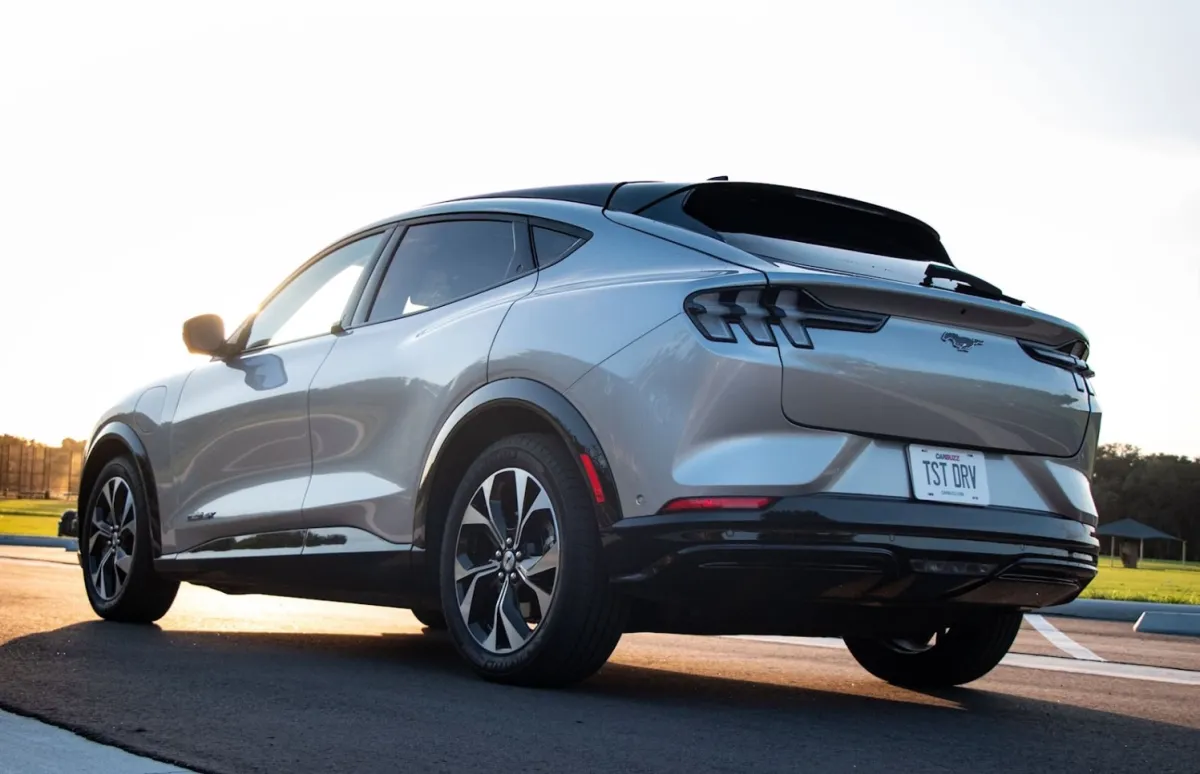 Photo: Ford Mustang, via newfordmodel.com
Today, Jimmy's grandson would need to save for three years just to afford the down payment on a similar vehicle, assuming he could even get approved for the loan.
When Cars Were Impulse Purchases
The late 1960s and early 1970s represented the golden age of automotive accessibility in America. A new Volkswagen Beetle cost $1,800. A Chevrolet Camaro ran about $2,500. Even luxury vehicles like a Cadillac Eldorado, at $6,000, cost less than many Americans' annual salaries.
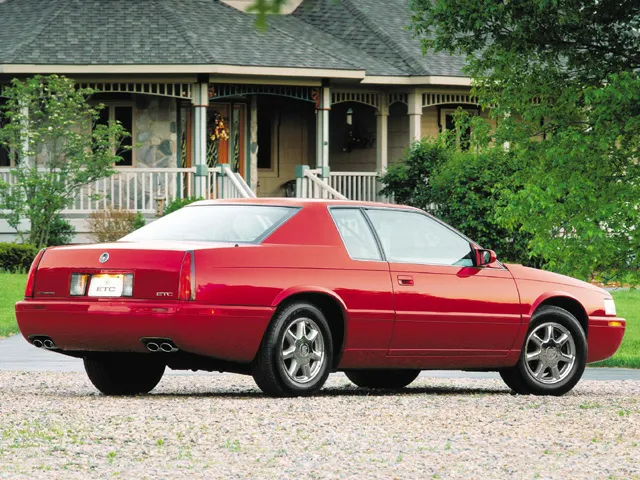 Photo: Cadillac Eldorado, via platform.cstatic-images.com
 Photo: Volkswagen Beetle, via hdqwalls.com
More importantly, financing a car was straightforward. You walked into a dealership, picked your model, and drove home the same day. Credit checks were minimal. Down payments were optional. Interest rates hovered around 6-8%, and loan terms rarely exceeded three years because nobody needed longer to pay off such modest amounts.
Young Americans routinely bought their first cars with money earned from summer jobs or part-time work during high school. The idea of graduating college with both student debt and the inability to afford basic transportation would have seemed absurd.
The Numbers That Tell the Story
In 1970, the median household income in America was $8,734. A new car's average price was $3,450. That meant the typical American family could buy a new vehicle for roughly 40% of their annual income.
Fast-forward to 2024: the median household income is approximately $70,000, while the average new car price has climbed to $48,000. That's 68% of median household income – a 70% increase in relative cost over five decades.
But raw percentages don't capture the full picture. In 1970, car loans were simple affairs. You borrowed money, paid it back over two or three years, and owned your vehicle outright. Today's average car loan stretches 72 months, with many extending to 84 months or longer. Americans are now taking seven-year loans to buy depreciating assets that previous generations purchased with pocket change.
The Insurance Revolution Nobody Saw Coming
Insurance costs tell an even more dramatic story. In 1970, basic car insurance for a young driver might cost $200 annually – roughly 125 hours of minimum wage work. Today, that same coverage can easily cost $3,000 per year, representing 400+ hours of minimum wage labor.
The transformation reflects both increased vehicle values and a more litigious society, but the practical impact is staggering. Young Americans now face insurance bills that exceed what their grandparents paid for entire vehicles.
Comprehensive coverage that was once optional has become mandatory in most states. Liability limits that seemed excessive in 1970 are now considered inadequate. The simple act of legally operating a motor vehicle has become a significant ongoing financial commitment rather than a modest annual expense.
When Maintenance Meant Your Neighbor's Garage
Vehicle maintenance costs have undergone their own revolution. In 1970, most car repairs could be handled by local mechanics using basic tools and generic parts. Oil changes cost $3. Brake jobs ran $25. Even major engine work rarely exceeded $200.
Today's vehicles require specialized diagnostic equipment, proprietary parts, and factory-trained technicians. A basic oil change costs $75. Brake repairs start at $400. And modern cars' computer systems mean that even minor issues often require dealer-level intervention at premium prices.
The shift from mechanical to electronic systems has essentially eliminated the backyard mechanic and neighborhood garage as viable options for vehicle maintenance. What was once a manageable do-it-yourself proposition has become a specialized service industry with prices to match.
The Cultural Weight of Car Ownership
Perhaps most significantly, car ownership has transformed from a practical necessity into a financial rite of passage that many young Americans simply cannot afford. The casual car culture of the 1960s and 70s – where teenagers routinely owned, modified, and traded vehicles – has largely disappeared.
Instead, young adults often delay car purchases well into their twenties, relying on rideshare services, public transportation, or family vehicles. The independence that previous generations took for granted has become a luxury that requires careful financial planning and often substantial family support.
Leasing has emerged as a primary option for young buyers, but this represents a fundamental shift from ownership to perpetual payments. Where previous generations bought cars and drove them for a decade, today's buyers often find themselves in endless cycles of monthly payments without ever building equity.
The Road We've Traveled
The evolution of car buying reflects broader changes in American economic life. Wages have grown more slowly than vehicle costs. Credit has become both more available and more expensive. And the complexity of modern life has transformed simple purchases into major financial decisions requiring careful consideration and long-term planning.
What Jimmy Peterson accomplished with three months of part-time work – buying reliable, new transportation – now represents one of the most significant financial commitments young Americans will make. The car that once symbolized freedom and independence has become a symbol of financial obligation and careful budgeting.
The road to car ownership hasn't just gotten longer – it's become an entirely different journey.