The Pilgrimage to the Box Office
In 1985, buying concert tickets required a pilgrimage. You drove downtown to the venue box office, stood in line with fellow fans, and handed over cash for a piece of cardboard that would become a treasured artifact. The ticket stub lived in wallets for years, a physical reminder of the night Bruce Springsteen played for three and a half hours or when you first heard Prince perform "Purple Rain" live.
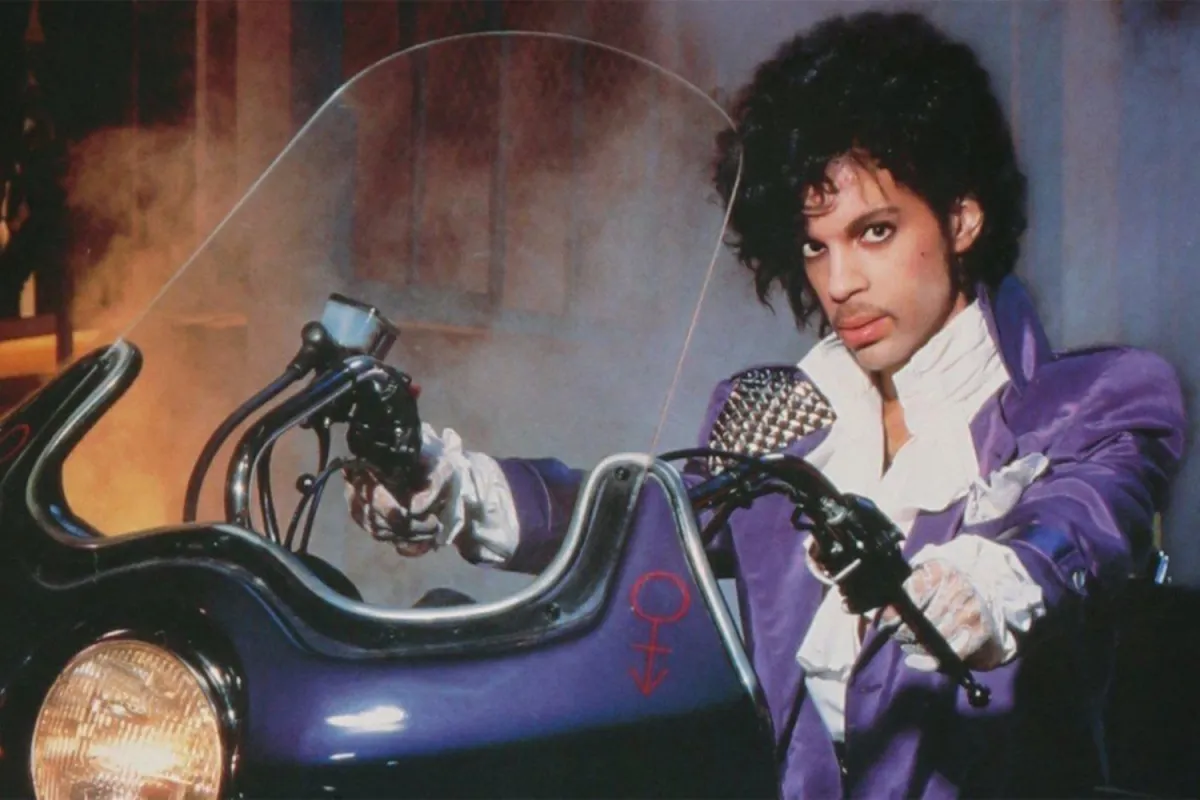 Photo: Prince, via mixdownmag.com.au
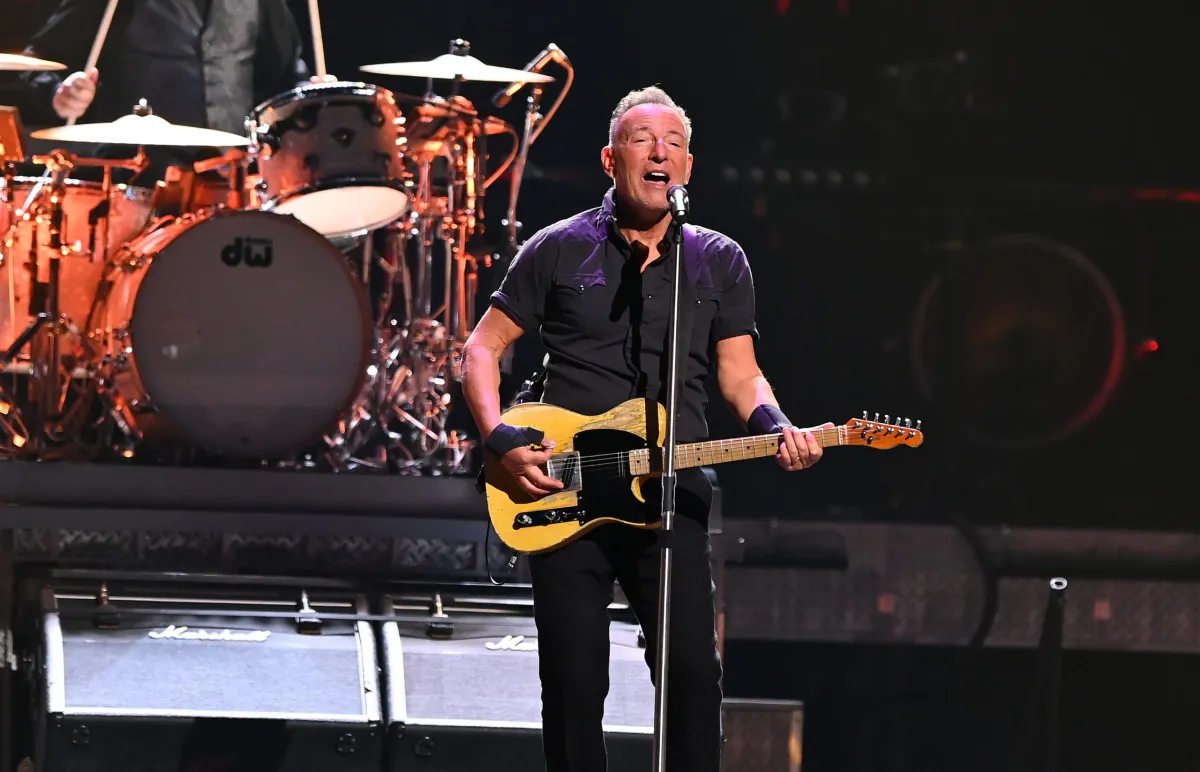 Photo: Bruce Springsteen, via static.spin.com
Today, you tap your phone at 10 AM when tickets go on sale, screenshot a confirmation email, and show a QR code at the door. You're inside faster than ever before, but something essential has been lost in the optimization.
When Anticipation Had Weight
The physical ticket created a month-long countdown. You'd pull it from your wallet, check the date, imagine the moment. The ticket was proof that something extraordinary was coming—a small rectangle of anticipation that grew more meaningful as the concert approached.
Planning began weeks in advance. Which friends were going? How would you get there? What would you wear? The ticket demanded preparation because it represented investment—not just financial, but emotional. You'd bought into an experience that couldn't be replicated, postponed, or easily replaced.
"I kept my ticket to see The Who in 1982 until my wallet fell apart in college," says Karen Walsh, a music teacher from Philadelphia. "Every time I saw it, I remembered exactly how I felt standing in that line at the Spectrum, knowing I was about to see rock history."
 Photo: The Spectrum, via kidspressmagazine.com
The Ritual of Getting There
Attending concerts once required elaborate coordination. You met friends at designated spots, carpooled to venues, and navigated parking lots that felt like temporary cities. The journey was part of the experience—a shared adventure that began hours before the first song.
Arrivals were social events. Strangers compared tickets, debated setlists, and shared excitement in ways that created instant community. The physical ticket served as conversation starter and social currency, proof that you belonged in this particular gathering of believers.
Contrast that with today's experience: rideshare to the venue, scan your phone, find your seat. Efficient, certainly. But the communal aspect of the journey—the shared anticipation, the collective navigation of logistics—has largely disappeared.
The Democracy of Standing in Line
Buying tickets in person created a first-come, first-served democracy that felt fundamentally fair. Dedication was rewarded with better seats. Fans who cared enough to wake up early and stand in line got priority over those with more money but less commitment.
Today's system favors different advantages: fast internet connections, multiple devices, and the financial resources to pay convenience fees and dynamic pricing. The teenager willing to sleep outside the box office has been replaced by the algorithm that can process thousands of transactions per second.
"We used to camp out for good seats," remembers Mike Chen, who attended dozens of concerts in the 1970s and 80s. "You'd bring a sleeping bag and make friends with other fans. There was honor in that system—you earned your spot through dedication, not by having the right credit card."
The Archaeology of Experience
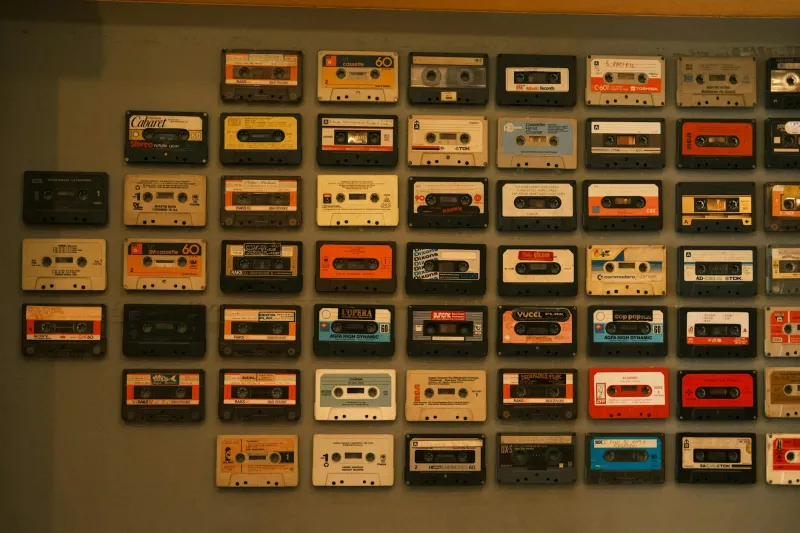
Ticket stubs served as personal archaeology, documenting a life lived through live music. Shoe boxes and scrapbooks overflowed with evidence of concerts attended, creating physical timelines of musical discovery and personal growth.
Each stub told a story: the date you first heard your favorite song live, the concert where you met your future spouse, the show that changed your understanding of what music could be. The physical artifact anchored memory in ways that digital receipts never could.
Those collections became conversation pieces, shared with friends and children as evidence of a life well-lived. "Look, here's when I saw Nirvana at that tiny club before they got famous." The ticket stub was proof that you were there, that you recognized greatness before the world caught on.
When Scarcity Created Value
Limited ticket availability once made concerts feel genuinely exclusive. If a show sold out, it sold out—no last-minute releases, no dynamic pricing, no secondary market apps offering seats at inflated prices. Scarcity created urgency and made attendance feel like privilege rather than entitlement.
The sold-out concert became cultural currency. Being in the room when something special happened felt meaningful because not everyone could be there. The physical ticket proved your membership in an exclusive club of witnesses.
Today's endless ticket availability—through official resales, apps, and last-minute releases—has democratized access but diminished the sense of being part of something rare. When anyone can get in at any price, being there feels less special.
The Friction That Built Meaning
Modern ticket buying eliminates friction at every step. No driving to box offices, no waiting in lines, no carrying cash. But that friction wasn't just inconvenience—it was investment. The effort required to attend a concert made the experience more meaningful, not less.
Psychologists call this the "effort justification effect"—we value experiences more when we work for them. The physical and emotional investment of old-school concert attendance created psychological ownership that digital convenience can't replicate.
"Everything's easier now, but nothing feels as important," observes Sarah Martinez, who runs a vintage music memorabilia shop. "People used to plan their whole month around a concert. Now they decide on the way over whether they actually want to go."
The Memory Palace of Live Music
Physical tickets created what memory researchers call "retrieval cues"—tangible objects that trigger detailed recollections. The sight, feel, and even smell of an old ticket stub could transport someone back to a specific night, complete with sensory details that pure digital memory can't preserve.
Digital tickets exist in the cloud, accessible but not present. They don't accumulate in drawers or fall out of books years later, triggering unexpected nostalgia. The serendipity of rediscovering a forgotten ticket—and with it, a forgotten night—has been optimized out of existence.
When Going Out Meant Something
The elaborate ritual of concert attendance once made live music feel genuinely special. The planning, the anticipation, the physical journey, and the tangible memento combined to create experiences that felt significant enough to remember forever.
Today's streamlined process delivers the music more efficiently but strips away the ceremony that made concerts feel like events rather than entertainment. We've gained access and lost reverence, prioritized convenience over meaning.
The Stub That Started Everything
Somewhere in America, someone still has the ticket stub from the concert that changed their life—the night they decided to become a musician, met their best friend, or discovered that live music could be transcendent. That small piece of cardboard represents more than admission to a show; it's proof that they were present for a moment that mattered.
The digital age has made concert attendance easier, cheaper, and more accessible than ever before. But it's also made it more forgettable, more disposable, and somehow less meaningful. We've optimized the experience of going to concerts while accidentally eliminating the experience of having been there.
In our rush to remove barriers between fans and music, we may have removed the very obstacles that made crossing the threshold feel like an achievement worth commemorating. The ticket stub wasn't just proof of purchase—it was evidence of pilgrimage, a small monument to the night music mattered enough to make the journey worthwhile.