The World Within Walking Distance
In 1960, Mrs. Dorothy Henderson could wake up on Maple Street in Cedar Falls, Iowa, and handle her entire day without ever getting in a car. She'd walk two blocks to Miller's Hardware for a replacement faucet washer, stop at Kowalski's Butcher Shop for tonight's pork chops, drop her husband's shirts at Chen's Laundry, pick up her blood pressure medication at Brennan's Pharmacy, and grab milk and eggs at Murphy's Corner Grocery—all before lunch.
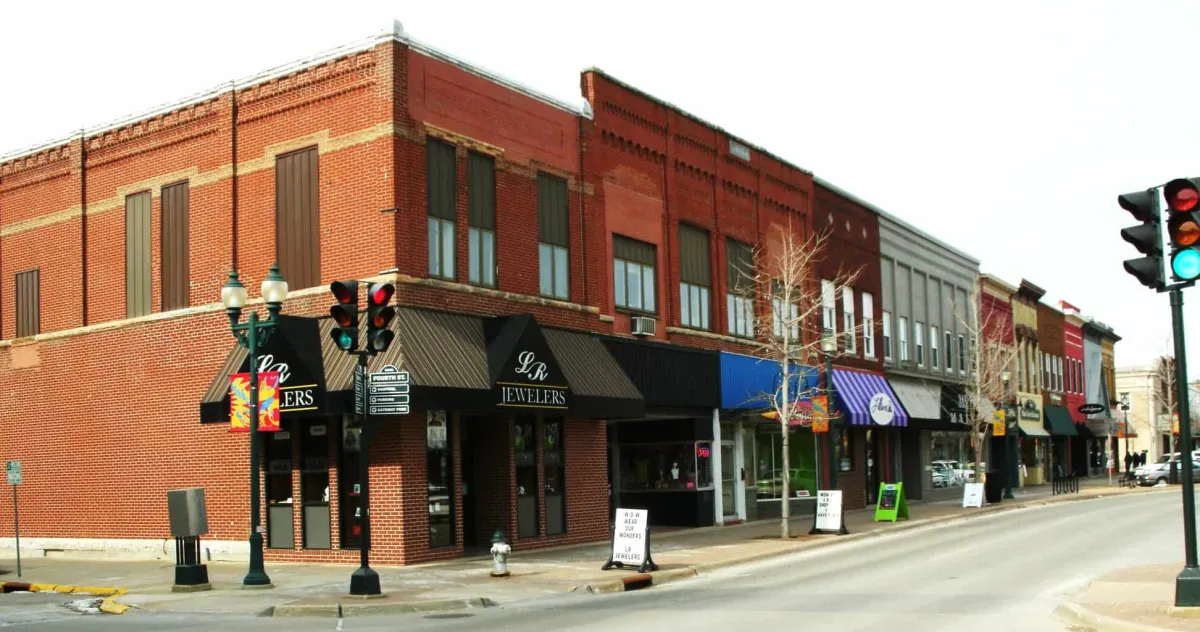 Photo: Cedar Falls, Iowa, via cdn.thecrazytourist.com
This wasn't unusual. It was how most of America lived.
Every neighborhood was essentially a small town unto itself, complete with the infrastructure of daily life packed into a few walkable blocks. The corner druggist knew your medical history. The hardware store owner could diagnose your plumbing problem from your description. The local diner served as informal town hall, employment office, and social club rolled into one.
The Great Consolidation
Somewhere between then and now, America made a quiet trade. We exchanged the convenience of everything being close for the efficiency of everything being bigger.
The shift began in the 1970s with the rise of suburban shopping centers, but it accelerated dramatically in the 1990s. Walmart didn't just offer lower prices—it offered everything under one roof. Why visit six different specialists when you could handle it all in one trip to the big box store?
The math seemed to make sense. Drive fifteen minutes instead of walking to six different places. Save money. Save time. What wasn't to love?
What the Numbers Tell Us
The transformation shows up starkly in the data. In 1960, there were roughly 58,000 independent pharmacies in America. Today, there are fewer than 22,000, and most of those are concentrated in urban areas. Small-town hardware stores have fared even worse—their numbers dropped by nearly 70% between 1980 and 2020.
Meanwhile, the average American now drives 13,476 miles per year, compared to just 8,500 miles in 1970. We're not just going farther for our groceries—we're going farther for everything.
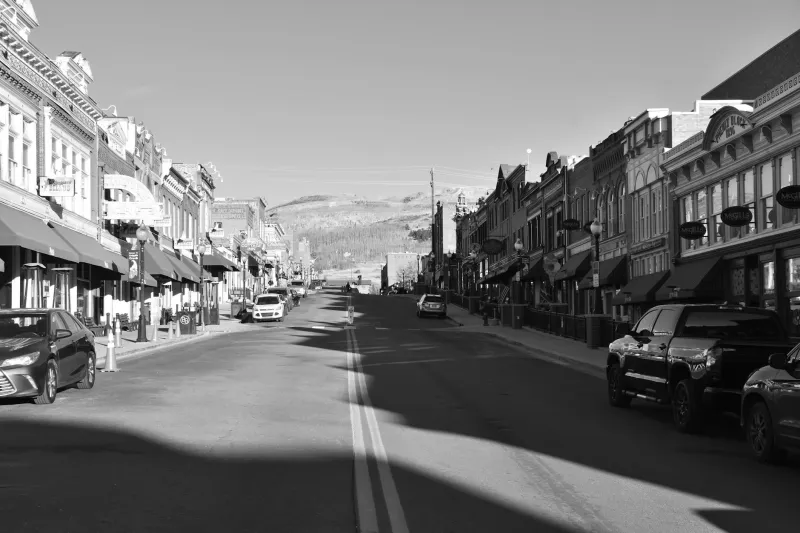
The shift hit small towns hardest. A 2019 study found that 40% of rural Main Streets have vacancy rates above 25%. These aren't just empty buildings—they're the skeletal remains of complete ecosystems.
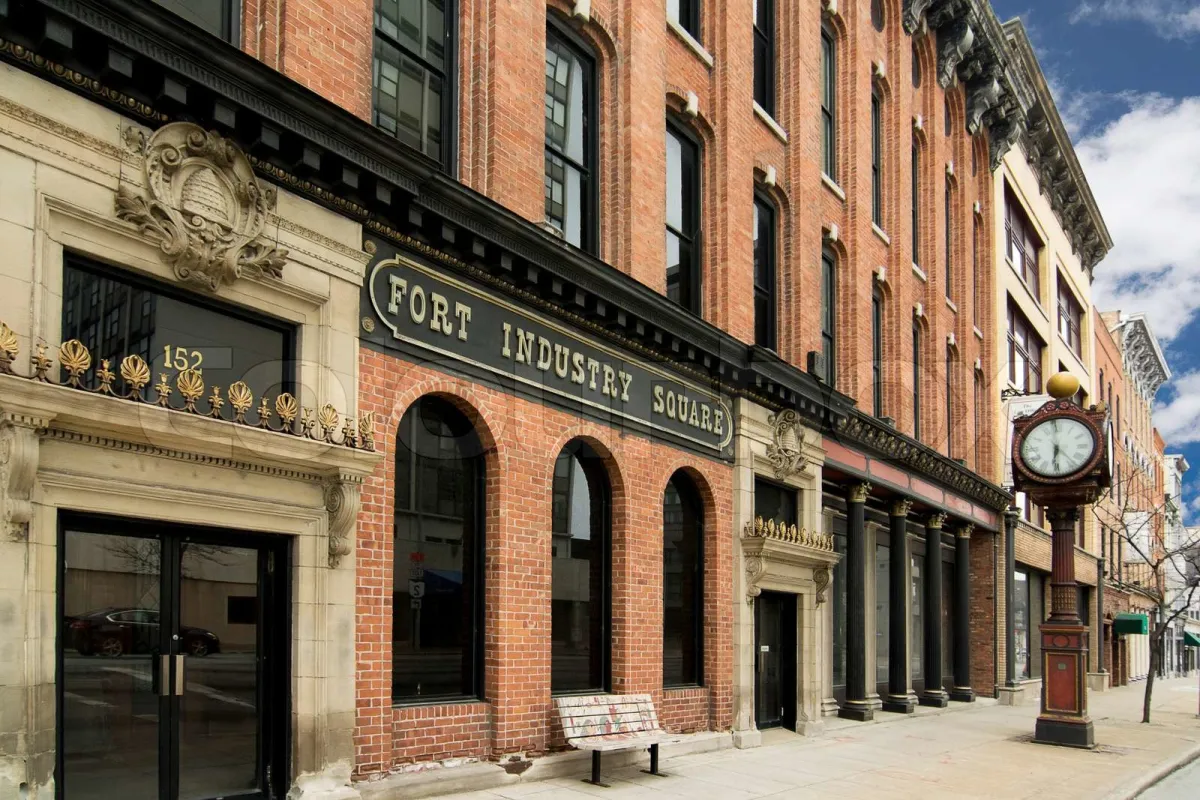 Photo: Main Street, via d2gg9evh47fn9z.cloudfront.net
The Hidden Costs of Efficiency
What we gained in convenience, we lost in something harder to quantify: the daily fabric of community life.
When you bought your morning coffee from the same person every day for twenty years, you weren't just purchasing caffeine. You were participating in a network of micro-relationships that added up to something larger than their parts. The barista knew when you were stressed about your mother's surgery. The hardware store owner remembered which brand of paint you used on your kitchen three years ago.
These interactions weren't just pleasant—they were functional. Information flowed through these networks in ways that apps and algorithms still can't replicate. You learned about job openings, babysitters, and which contractor actually showed up on time through these daily touchpoints.
The Dollar Store Mirage
Today's corner stores offer a cruel parody of what came before. Dollar General and Family Dollar have filled many of the empty storefronts, but they're not really replacements—they're retail tumbleweeds, offering processed convenience foods and basic household items with no local knowledge, no community connection, and no specialized expertise.
These stores often drive out the last remaining local grocers, creating food deserts in communities that once had multiple options within walking distance. It's efficiency without abundance, convenience without community.
The Geography of Dependence
The most profound change might be how completely we've reorganized American life around the assumption of car ownership. Today's neighborhoods are designed for people who drive everywhere, which means they're fundamentally inaccessible to those who can't or don't drive.
This hits elderly residents particularly hard. The same 85-year-old who could maintain independence in 1960 by walking to local shops now faces isolation when they can no longer drive to the regional shopping center twenty minutes away.
What We're Trying to Build Back
Interestingly, the most expensive new developments today try to recreate what we systematically dismantled. "New Urbanism" developments market walkability as a luxury amenity, charging premium prices for the privilege of being able to walk to a coffee shop.
Some cities are experimenting with "15-minute neighborhoods"—areas where residents can meet most daily needs within a 15-minute walk or bike ride. It's a novel concept that would have seemed redundantly obvious to Americans seventy years ago.
The Drift We Didn't Notice
The transformation of America's neighborhoods didn't happen overnight. It happened one store closing at a time, one strip mall opening at a time, one family choosing convenience over community at a time.
Most of us adapted without noticing what we were losing. We learned to batch our errands, to plan our routes, to think of shopping as something you do with a car rather than something you do with your feet.
But occasionally, walking through the empty storefronts of a once-thriving Main Street, you can almost feel the ghost of what used to be there: a world where everything you needed was right around the corner, and the people who sold it to you knew your name.