When Every Store Keeper Was Your Personal Shopping Consultant
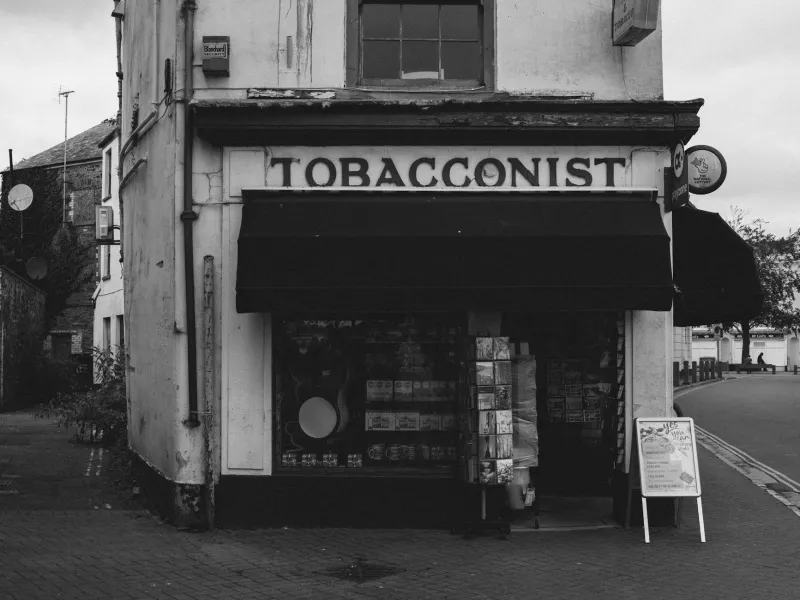
When Every Store Keeper Was Your Personal Shopping Consultant
Walk into any American town in 1955, and you'd find something that seems almost quaint today: stores where the person behind the counter actually knew who you were. Not because they'd scanned your loyalty card or pulled up your purchase history on a screen, but because they'd been selling to your family for years, maybe decades.
The pharmacist knew your mother took her blood pressure pills with orange juice because it helped with the taste. The butcher remembered your father preferred his steaks cut thick and your grandmother always bought the cheaper cuts on Thursdays after her Social Security check arrived. The hardware store owner could look at your hands and guess what size wrench you needed, then walk you directly to aisle three, second shelf, behind the paint brushes.
This wasn't exceptional customer service. This was just how Americans shopped.
The Merchant as Community Memory
These neighborhood specialists served as more than vendors—they were the living databases of their communities. Your local druggist didn't just count pills; he tracked your family's health patterns across generations. When your teenage son came in asking about acne treatments, he'd remember that your daughter had responded well to a particular soap three years earlier.
The corner butcher knew that Mrs. Johnson from Maple Street always hosted Sunday dinner for eight, so when she came in asking for "something special," he'd steer her toward a roast that would feed her crowd without breaking her budget. He'd even throw in cooking tips, because a satisfied customer meant repeat business, and repeat business meant survival.
Hardware store owners were walking encyclopedias of home repair knowledge. They didn't just sell you a part—they diagnosed your problem, suggested alternatives, and often sketched out the repair process on the back of a brown paper bag. They knew which brands lasted and which ones would have you back in the store within a month.
The Efficiency Revolution
Somewhere between the 1970s and 1990s, American commerce made a fundamental trade-off. We decided that convenience and lower prices mattered more than relationships and expertise. The big-box stores promised everything under one roof at prices small merchants couldn't match. Online shopping offered infinite selection delivered to your door.
We got what we wanted. Shopping became faster, cheaper, and more convenient. You could buy groceries at 2 AM, compare prices instantly, and never deal with a chatty clerk when you were in a hurry.
But efficiency came with a cost that wasn't immediately obvious.
What We Traded Away
Today's shopping experience is powered by algorithms that track our purchases and predict our needs. Amazon knows you buy dog food every six weeks and suggests you reorder. Target's computers can figure out you're pregnant before you tell your family. These systems are remarkably sophisticated.
Yet they miss something fundamental that your neighborhood pharmacist understood instinctively: context. He knew that your mother's prescription refill was late not because she was being careless, but because her arthritis was flaring up and she couldn't drive. The algorithm sees a delayed purchase; the human saw a neighbor who needed help.
The butcher understood that your request for "something different" meant you were trying to impress your new in-laws, not that you'd suddenly developed exotic culinary tastes. He'd steer you toward something impressive but foolproof. Today's grocery store offers endless choices but no guidance on which one matches your actual situation.
The Death of Institutional Knowledge
When the last independent hardware store in town closed, decades of accumulated knowledge walked out the door with its owner. No database captured his understanding of which pipe fittings worked best with the old plumbing in the neighborhood's 1920s houses, or his mental map of which customers were handy enough to tackle complex repairs versus those who needed to call a professional.
This institutional knowledge didn't just disappear—it was never replaced. Today's big-box employees are often as confused by the store's inventory as the customers. They can scan a barcode and tell you the price, but they can't tell you whether that particular screw will work with your specific project.
Shopping as Social Infrastructure
Those neighborhood stores served as more than commercial establishments—they were community gathering points. The hardware store was where local contractors shared tips and homeowners learned about reliable plumbers. The pharmacy was where neighbors caught up on each other's health and offered support during difficult times.
When these stores disappeared, they took with them a layer of social connection that helped hold communities together. We gained efficiency but lost a form of civic infrastructure that had developed organically over generations.
The Drift Toward Isolation
The shift from relationship-based to transaction-based commerce reflects a broader change in American life. We've optimized for individual convenience at the expense of community connection. We can buy anything we want without talking to another human being, and increasingly, that's exactly what we do.
The old system wasn't perfect. Those personal relationships could feel intrusive when you wanted privacy, and small-town merchants sometimes abused their monopoly positions. But in our rush toward efficiency, we may have discarded something valuable: the simple human pleasure of being known and understood by the people who serve us.
Sixty years later, we're still figuring out what we lost when shopping stopped being a conversation and became just another transaction.