When the Pharmacist Was Your Health Advisor: The Corner Drugstore That Vanished From Main Street
The Pharmacist Who Knew Your Mother's Maiden Name
In 1965, when Mrs. Eleanor Patterson walked into Hoffman's Pharmacy on Elm Street, she didn't just pick up her blood pressure medication. She chatted with Harold Hoffman about her grandson's college plans, got advice about her husband's persistent cough, and grabbed a cherry Coke from the soda fountain while waiting. Harold had filled prescriptions for three generations of Pattersons, and he could spot a brewing health issue before most doctors.
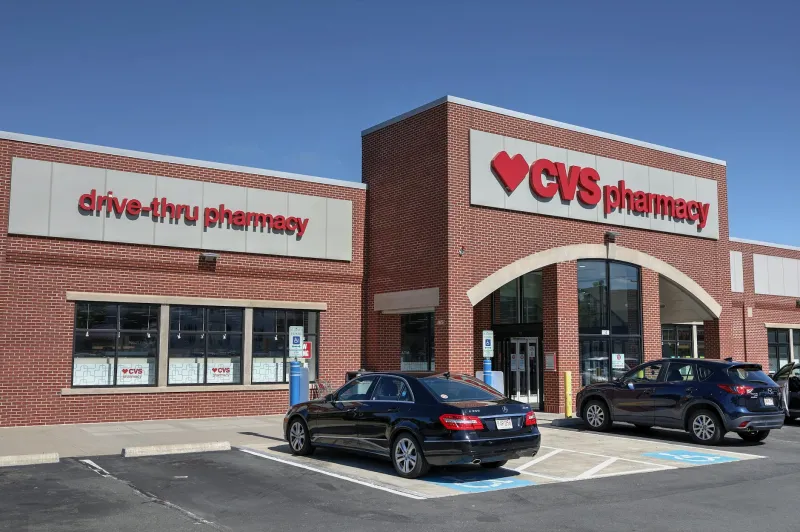
Today, Mrs. Patterson's granddaughter taps her phone twice and her prescription appears in a paper bag at a drive-through window, handled by a pharmacy tech she's never met.
The transformation of America's neighborhood drugstore represents one of the most profound yet overlooked changes in how we experience community and healthcare. What we've gained in efficiency, we've lost in the irreplaceable human connections that once made getting medicine feel less like a transaction and more like visiting a trusted friend.
More Than Pills: The Social Heart of the Neighborhood
The corner drugstore of the mid-20th century served functions that extended far beyond filling prescriptions. These establishments were community anchors, combining the roles of informal clinic, social club, and neighborhood information center.
Pharmacists like Harold weren't just pill counters—they were healthcare advisors who spent decades learning the medical histories, family dynamics, and personal quirks of their customers. They knew that Mr. Chen always forgot to take his heart medication with food, that teenage Sarah needed gentle reminders about her acne treatment, and that the widow on Oak Street might be developing early signs of diabetes based on the over-the-counter remedies she'd been buying.
This wasn't just good customer service; it was preventive healthcare delivered through relationship and observation. Pharmacists caught drug interactions, spotted concerning symptoms, and provided health education in ways that today's rushed medical system struggles to replicate.
The Soda Fountain Society
Perhaps nothing symbolized the old drugstore's community role more than the soda fountain. These marble-topped counters with their spinning stools weren't just about ice cream sundaes and egg creams—they created a reason to linger, to chat, to be part of the neighborhood's daily rhythm.
High school students stopped by after school, office workers grabbed quick lunches, and elderly residents found companionship over coffee and conversation. The soda fountain transformed the utilitarian act of picking up medicine into a social experience that strengthened community bonds.
Modern chain pharmacies, with their fluorescent efficiency and corporate layouts, actively discourage lingering. The message is clear: complete your transaction and move along. There's no space for the casual conversations that once made neighborhood pharmacies feel like extensions of people's living rooms.
When Advice Came With Your Prescription
The relationship between pharmacist and customer in the old model was built on trust accumulated over years. Pharmacists knew their customers' financial situations and would sometimes suggest generic alternatives or payment plans before insurance made such conversations routine. They understood family dynamics well enough to explain medication instructions in ways that different family members could understand and remember.
This personal knowledge translated into better health outcomes. Studies from the era show that medication compliance rates were often higher when patients had established relationships with their pharmacists. The trust and familiarity encouraged questions, clarifications, and honest discussions about side effects or concerns.
Today's pharmacy experience, dominated by chain stores and online delivery, prioritizes speed and volume over relationship-building. While modern pharmacists are better trained and have access to sophisticated drug interaction software, they rarely have the time or opportunity to develop the deep customer relationships that once defined the profession.
The Economics of Intimacy
The decline of the neighborhood drugstore reflects broader economic forces that have reshaped American retail. Independent pharmacies couldn't compete with the purchasing power of national chains, the convenience of mail-order prescriptions, or the integration offered by pharmacy benefit managers.
Insurance companies and healthcare systems found it more efficient to funnel prescriptions through large, standardized operations rather than support the more expensive, relationship-based model of independent pharmacies. The result was undeniably more efficient, but it eliminated the informal healthcare safety net that neighborhood pharmacists provided.
Walmart, CVS, and Walgreens could offer lower prices and longer hours, but they couldn't replicate the institutional knowledge that came from serving the same families for decades. When Harold Hoffman retired and sold to a chain in 1987, the new owners kept the location but lost the relationships that had made it irreplaceable.
What We Lost in the Translation
The disappearance of the neighborhood drugstore represents more than the evolution of retail—it reflects a fundamental shift in how Americans experience community care. The modern pharmacy, with its emphasis on efficiency and standardization, delivers medication more reliably but provides less of the human connection that once made healthcare feel personal.
Elderly Americans, in particular, lost more than a convenient place to fill prescriptions. They lost a regular social touchpoint, a source of informal health monitoring, and often their most accessible healthcare advocate. The pharmacist who noticed when someone looked unwell, who remembered to ask about a spouse's recovery, or who provided a listening ear during difficult times has largely vanished from American life.
The Digital Prescription
Today's pharmacy innovations—automatic refills, text reminders, home delivery, and app-based consultations—solve many practical problems that plagued the old system. Patients no longer wait in long lines, travel when sick, or worry about pharmacy hours. The convenience is undeniable, and for many Americans, these improvements represent genuine progress.
Yet something intangible was lost in this transition. The neighborhood drugstore once provided what sociologists call "weak ties"—casual but regular social connections that create community resilience and individual well-being. These relationships weren't intimate friendships, but they provided social contact, community knowledge, and informal support systems that many Americans now lack.
The corner drugstore's disappearance mirrors the broader atomization of American life, where efficiency and convenience have replaced the slower rhythms of relationship and community. We've gained speed and lost the soda fountain conversations that once made picking up medicine feel like coming home.