When Standing in Line Was Part of the Plan: How America Lost the Art of Waiting
The Magazine Table Everyone Shared
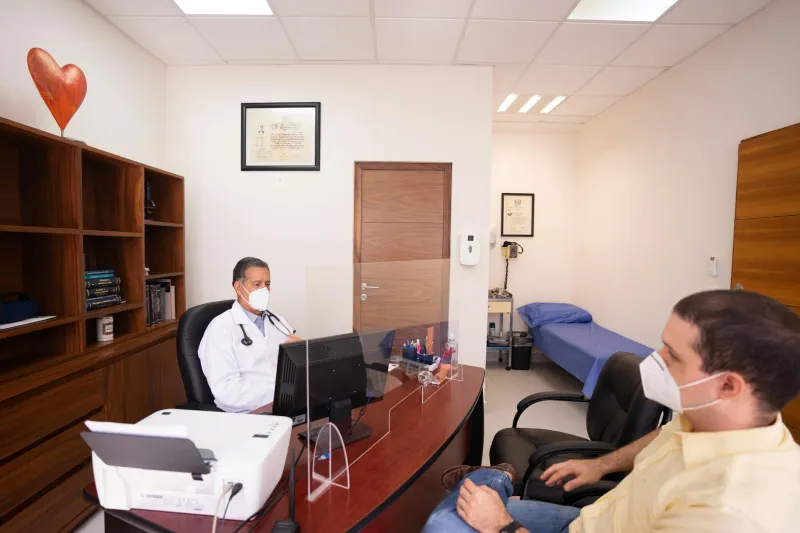
Walk into any doctor's office in 1985 and you'd find the same scene playing out across America: a waiting room filled with people actually waiting. They'd flip through six-month-old copies of Time and People, make polite conversation about the weather, and settle in for what everyone understood was simply part of the experience. Nobody checked their watch every thirty seconds or tapped their foot in visible frustration. Waiting wasn't a bug in the system—it was a feature.
The magazines were always outdated, the coffee was terrible, and the chairs were uncomfortable. But somehow, that shared experience of collective patience created something we've almost entirely lost: a space where Americans from different walks of life sat together, doing nothing, in the same room.
When the DMV Was a Half-Day Adventure
A trip to the Department of Motor Vehicles wasn't just an errand—it was an expedition. You'd clear your morning, maybe pack a snack, and prepare for what could easily become a three-hour social experiment. The numbered tickets, the hard plastic chairs, the fluorescent lighting that made everyone look slightly ill—it was all part of a ritual that Americans had collectively accepted.
People brought books. Real books, with pages. They struck up conversations with strangers about everything from local high school football to national politics. Children learned patience by watching their parents demonstrate it. The DMV waiting room was accidental democracy in action: rich and poor, young and old, all reduced to the same basic human experience of having to wait their turn.
Today, many states let you renew your license online. When you do have to visit in person, digital displays show estimated wait times, mobile apps let you check in remotely, and text alerts tell you when it's almost your turn. The efficiency is remarkable. The human interaction has largely vanished.
Airport Gates as Temporary Communities
Before smartphones turned every traveler into an island of personal entertainment, airport gates were bustling social hubs. Flight delays meant hours of shared misery that somehow transformed into camaraderie. Strangers would pool their newspapers, share phone chargers (the few that existed), and create impromptu support groups around gate B12.
Businessmen in wrinkled suits would debate politics with college students heading home for break. Families would spread out across multiple seats, their snacks and coloring books creating temporary territories that others respected. When flights were delayed, the collective groan was followed by resigned acceptance and, often, surprising solidarity.
Now, most travelers arrive at the gate already knowing their exact boarding time thanks to airline apps. They plug into personal devices, order food delivery to their seat, and exist in carefully curated bubbles of individual experience. The efficiency is undeniable, but so is the isolation.
The Bank Lobby's Velvet Ropes
Remember when depositing a check meant standing in an actual line, behind velvet ropes, waiting for a human teller who knew your name? Bank lobbies were stages for a peculiarly American form of performance: polite queuing. People respected the invisible social contract of first-come, first-served. They made small talk about interest rates and the local economy. They complained together about the wait while secretly not minding it too much.
The tellers weren't just transaction processors—they were neighborhood fixtures who remembered your kids' names and asked about your vacation. The wait to see them wasn't just tolerated; it was part of building that relationship.
Today, most banking happens through apps, ATMs, or drive-throughs designed for maximum speed. The few times we do enter a bank, we're often directed to tablets or kiosks that eliminate both the wait and the human connection that made the wait meaningful.
What We Gained (And What We Lost)
The transformation has been remarkable in its completeness. Virtual queuing systems, appointment scheduling apps, real-time updates, and mobile check-ins have eliminated most involuntary waiting from American life. We can track our food delivery, know exactly when our ride will arrive, and schedule everything from haircuts to oil changes with precision.
The efficiency gains are undeniable. Americans save countless hours that were once spent in waiting rooms and lines. We're more productive, more connected to our personal networks, and less frustrated by delays.
But we've also lost something harder to quantify: the shared experience of patience, the accidental conversations with strangers, and the democratic leveling that happened when everyone had to wait together. Those waiting rooms were some of the few remaining spaces where Americans of different backgrounds were forced to occupy the same physical and temporal space, doing nothing but being present.
The Patience We No Longer Practice
Perhaps most significantly, we've lost the practice of patience itself. Waiting taught us to be still, to be bored, to let our minds wander. It taught children that not everything happens instantly, that some things are worth waiting for, and that delay doesn't equal disaster.
In eliminating the wait, we've also eliminated one of the last shared experiences of American civic life. The waiting room was accidentally egalitarian—everyone's time moved at the same speed, everyone faced the same mild inconvenience, everyone learned the same lesson about patience.
Today's America moves faster, more efficiently, and with less friction than ever before. But in our rush to eliminate every delay, we may have eliminated something unexpectedly human: the simple, shared experience of waiting together.