The Ritual of the Written Word
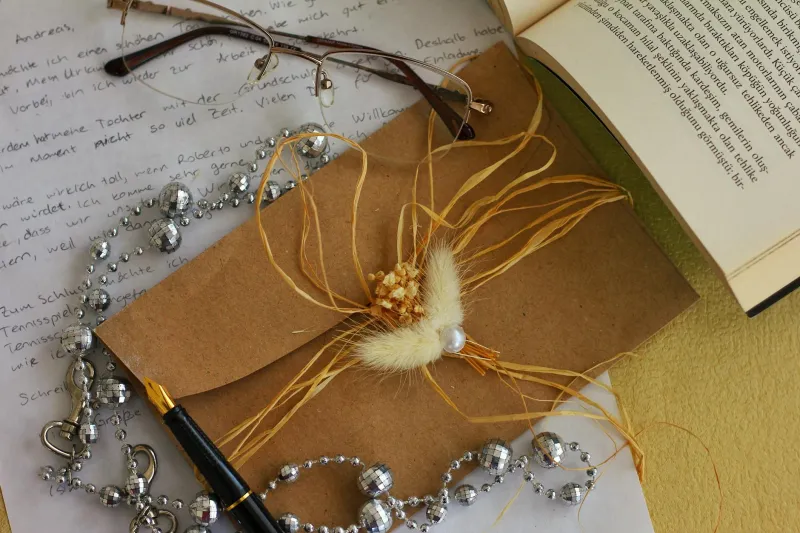
Every Tuesday, Margaret Thompson would sit at her kitchen table in Cedar Rapids, Iowa, fountain pen in hand, writing to her sister in Portland. The year was 1962, and this weekly ritual had continued unbroken for fifteen years. Each letter was three pages long, written on cream-colored stationery, folded carefully into an envelope that would take six days to cross the country.
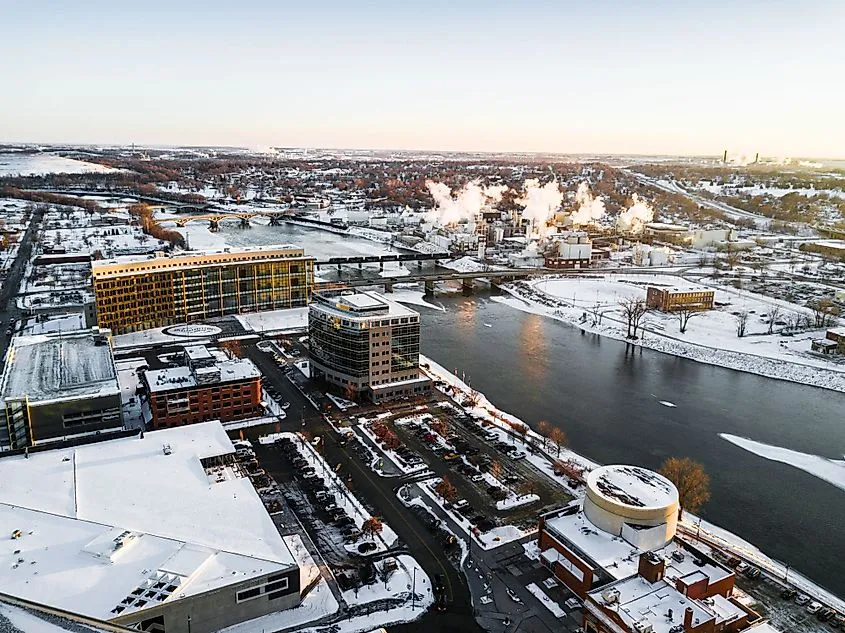 Photo: Cedar Rapids, Iowa, via www.worldatlas.com
This wasn't unusual. It was how Americans stayed connected.
In 1950, the average American household received 32 personal letters per year. By 2020, that number had dropped to fewer than two. Somewhere between the rotary phone and the smartphone, we stopped writing to each other entirely.
When Distance Demanded Patience
Before instant messaging, long-distance relationships required genuine commitment. College sweethearts separated by summer jobs would exchange letters twice a week, each envelope containing weeks of accumulated thoughts, feelings, and daily observations. The anticipation of receiving mail created a rhythm to relationships that simply doesn't exist today.
Consider the courtship of John and Betty Morrison, who met at the University of Michigan in 1958. When John was drafted and stationed in Germany, their relationship survived two years through letters alone. No phone calls, no video chats, no instant updates. Just words on paper, crossing an ocean, carrying the weight of their entire connection.
 Photo: University of Michigan, via wallpapers.com
"You had to really think about what you wanted to say," Betty recalls today. "You couldn't just send a quick 'thinking of you.' Every letter was like writing a small chapter of your life."
The Lost Architecture of Intimacy
Handwritten letters followed unspoken rules that shaped how Americans expressed themselves. You started with the weather, moved through family news, shared personal thoughts, and closed with affection. This structure forced writers to contextualize their emotions within the broader fabric of daily life.
Love letters from the 1940s and 50s read like literature compared to today's romantic texts. They contained full paragraphs describing feelings, detailed accounts of daily activities, and references to shared memories that built intimacy through narrative rather than immediacy.
"I keep thinking about our walk by the river last Sunday," wrote Private James Sullivan to his fiancée in 1944. "The way the light caught your hair when you laughed at my terrible joke about the ducks. I've told that story to half my unit, and they're all jealous that I get to come home to someone who laughs at jokes that bad."
That single paragraph contains more emotional architecture than most modern couples exchange in weeks of texting.
When Families Kept Archives
Before social media timelines, families preserved their history in letter collections. Mothers saved every letter from children away at college. Soldiers' families kept wartime correspondence in special boxes. These physical archives became family treasures, passed down through generations.
The Hendricks family of Topeka, Kansas, still owns 847 letters exchanged between their grandparents from 1932 to 1971. Reading through them reveals not just a marriage, but an entire social history: the Great Depression through the eyes of a young couple, World War II from the homefront, the changing landscape of American suburbs, the evolution of family life across four decades.
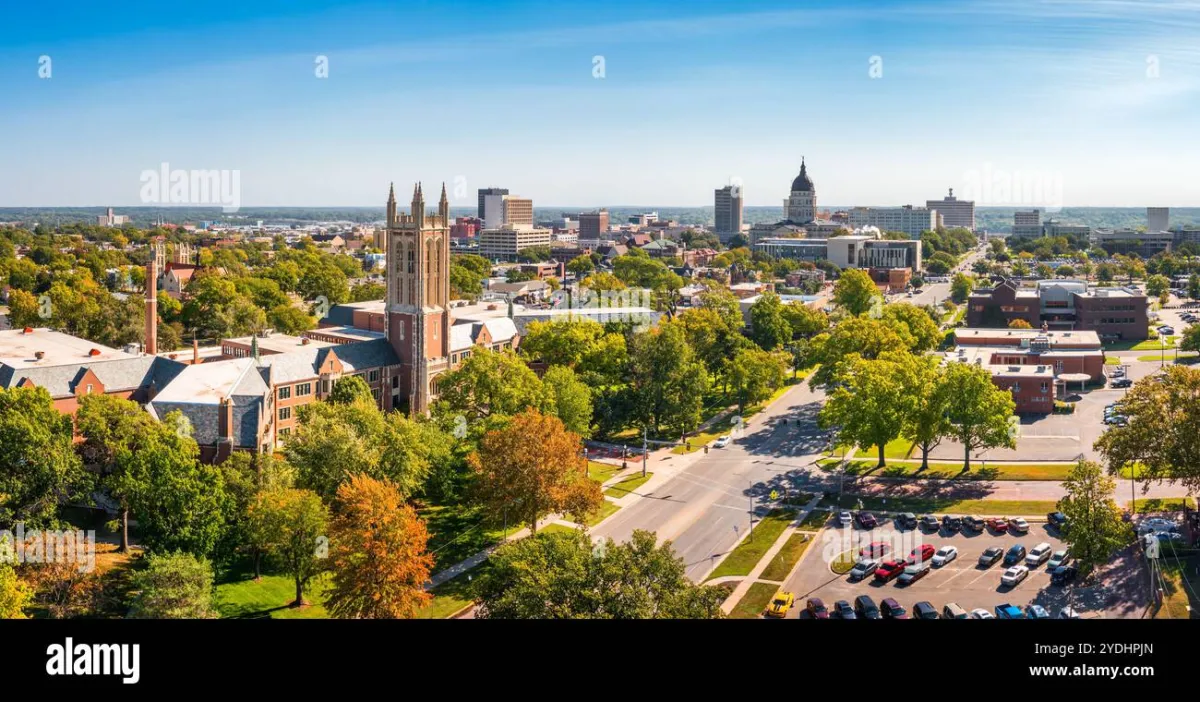 Photo: Topeka, Kansas, via c8.alamy.com
Today's families have thousands of digital messages, but almost none are preserved. Text conversations disappear when phones are replaced. Email accounts are deleted. The casual nature of digital communication means we've stopped creating the deliberate record that letters once provided.
The Economics of Effort
Writing a letter required investment: time, materials, postage, and most importantly, thought. This economic reality filtered communication naturally. You didn't write unless you had something meaningful to say. The three-cent stamp was a small price, but the hour spent crafting a thoughtful letter was significant.
This friction created value. Letters were read multiple times, kept, reread, and treasured precisely because they represented genuine effort. When communication costs nothing and takes no time, it loses the weight that made it precious.
What Filled the Space
As letters disappeared, they were replaced by phone calls, then email, then texts, then social media. Each transition promised better connection but delivered something fundamentally different. The phone enabled real-time conversation but eliminated the deliberate craft of written expression. Email maintained writing but lost the personal touch of handwriting. Texts enabled constant contact but fragmented thoughts into bite-sized pieces.
Social media promised to connect everyone but created a paradox: we know more about more people than ever before, yet feel less connected to any individual. The intimate, sustained correspondence that once defined close relationships has been replaced by broadcast updates consumed by audiences rather than received by individuals.
The Quiet Loss
We gained speed and lost weight. We gained convenience and lost ceremony. We gained efficiency and lost the particular intimacy that comes from knowing someone took time to sit down, think about you specifically, and craft words meant only for your eyes.
The last generation to write letters regularly is now in their seventies and eighties. They remember when words traveled slowly but carried more freight. When distance made hearts grow fonder because bridging that distance required genuine effort. When love letters were literature because they had to be—there was no other way to stay close.
Today, we're all connected and somehow more alone than ever. We've solved the problem of distance but lost the art of presence that letters once provided. In gaining the ability to reach anyone instantly, we've lost the patience to reach anyone deeply.
The handwritten letter didn't just disappear. It took with it a particular kind of American intimacy—one that required time, demanded thought, and created the space for relationships to unfold slowly, deliberately, and with the weight that only distance and patience could provide.