Drift of Days How the world changed while we weren't looking

Drift of Days

How the world changed while we weren't looking

Latest Articles

The Homework That Took All Night: How American Kids Lost Their Afternoons to the Backpack
Culture

The Homework That Took All Night: How American Kids Lost Their Afternoons to the Backpack

Fifty years ago, American children finished their homework in an hour and had entire afternoons to themselves. Today's kids spend more time on homework than their parents spent at after-school jobs, fundamentally reshaping what childhood looks like.
The Guy Behind the Counter Had All the Answers: How Fixing Things Became a Box Store Scavenger Hunt
Culture

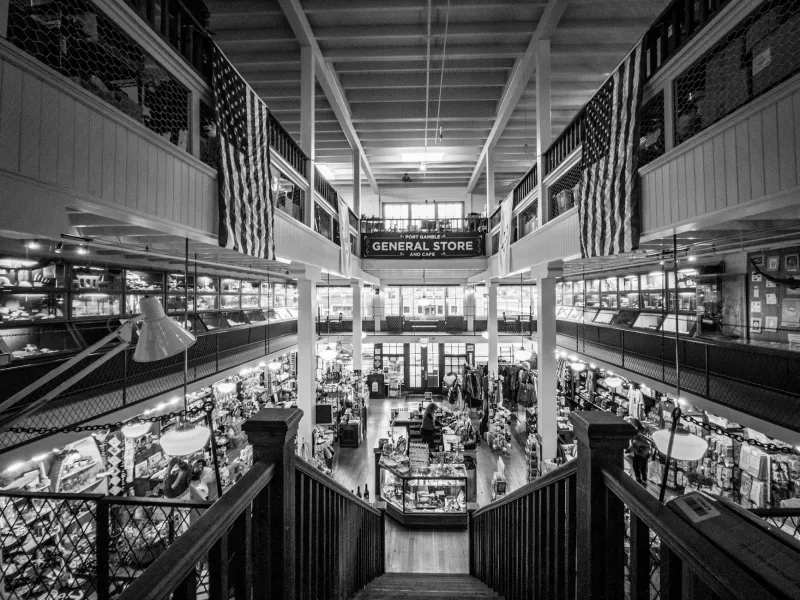
The Guy Behind the Counter Had All the Answers: How Fixing Things Became a Box Store Scavenger Hunt

Remember when you could walk into a hardware store, describe a weird noise your sink was making, and walk out five minutes later with exactly what you needed? That world quietly disappeared, replaced by endless aisles where finding help feels harder than the actual repair.

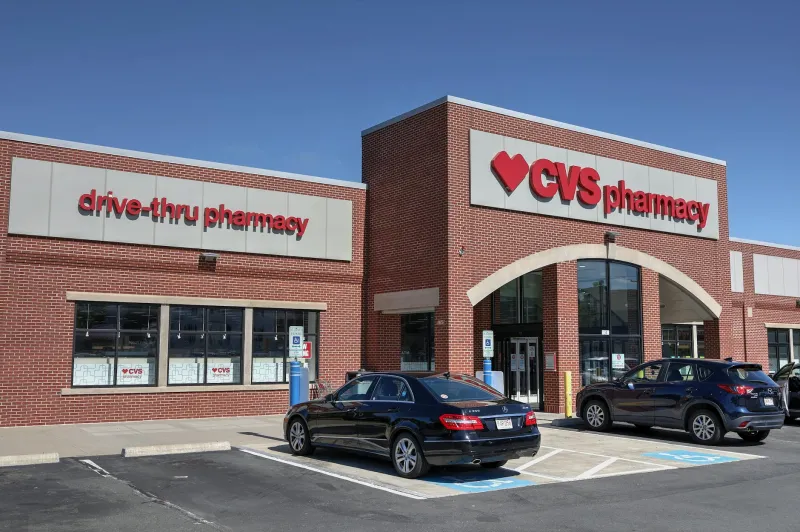
When the Pharmacist Was Your Health Advisor: The Corner Drugstore That Vanished From Main Street
Culture

When the Pharmacist Was Your Health Advisor: The Corner Drugstore That Vanished From Main Street

America's neighborhood pharmacies once served as informal clinics, social hubs, and community anchors where the pharmacist knew three generations of your family. Today's sterile chain stores and app deliveries represent more than convenience—they mark the end of a trusted institution.

When a Handshake Was Enough: How Home Buying Became America's Most Complicated Transaction
Finance

When a Handshake Was Enough: How Home Buying Became America's Most Complicated Transaction

Fifty years ago, buying a house meant sitting across from a banker who knew your family and walking away with keys after signing a few pages. Today's homebuyers navigate hundreds of documents, multiple inspections, and weeks of uncertainty—all for the same basic transaction.

Culture

When Calling Someone Meant Waiting to Get Home: A Century of How Americans Connected

For most of the 20th century, staying in touch with someone required patience, planning, and timing. You had to be home to receive a call. Letters took days. Then came the pager, the answering machine, the cell phone—and suddenly, the entire expectation of human connection changed in the span of a single generation.

Culture

The $8 Ticket That Bought a Whole Afternoon: How Baseball Stopped Being for Everyone

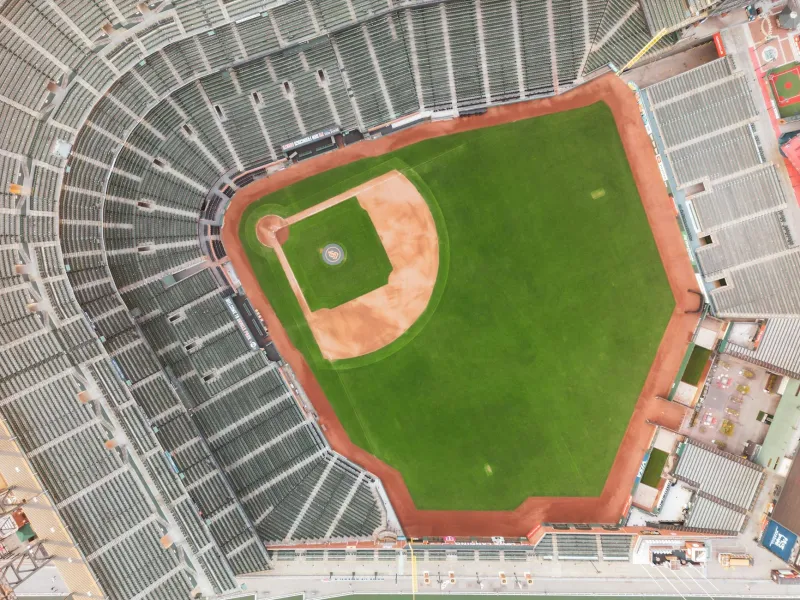
In the 1970s, a working family could take their kids to a Major League Baseball game for the cost of dinner. Today, that same outing costs what some people spend on rent. The transformation of sports from a working-class ritual into a luxury experience reveals something deeper about how American life has fractured along economic lines.

The Banker Knew Your Name: Why Business Became a Stranger Transaction
Finance

The Banker Knew Your Name: Why Business Became a Stranger Transaction

There was a time when opening a bank account meant sitting across from someone who would remember you next time you walked through the door. Today, we sign up for financial services on our phones without ever speaking to a human. The shift from relationship-based commerce to frictionless digital transactions has reshaped how Americans do business—and we barely noticed it happening.

The Office Never Really Closed: How Americans Forgot How to Take a Vacation
Culture

The Office Never Really Closed: How Americans Forgot How to Take a Vacation

There was a time when summer meant the boss locked up the office, the family loaded into the station wagon, and nobody expected to hear from you for two weeks. That world didn't disappear overnight — it eroded quietly, one unanswered email at a time. Here's how rest became something Americans have to justify.

Pickup Games and Empty Lots: The America Where Kids Just Played
Culture

Pickup Games and Empty Lots: The America Where Kids Just Played

In the 1970s and 80s, youth sports meant grabbing your friends, finding a field, and making up the rules as you went. Today, it's a multi-billion-dollar industry of elite academies, recruiting showcases, and families writing checks that rival college tuition. How did something so simple become so expensive — and did we lose something essential along the way?

When Money Had Weight: The Quiet Disappearance of Cash from American Life
Finance

When Money Had Weight: The Quiet Disappearance of Cash from American Life

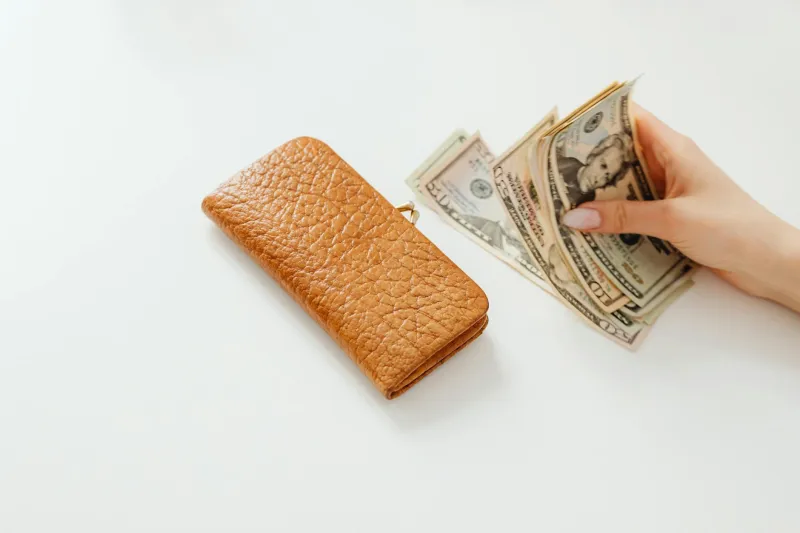
Not long ago, Americans carried their financial lives in their wallets — folded bills, loose change, and the unmistakable feeling of a purchase being made. Today, millions of people go entire weeks without touching paper money. Something real was lost when spending became invisible, and we're only beginning to understand what it cost us.

Black Bag to Broadband: The Quiet Revolution Inside the American Doctor's Visit
Culture

Black Bag to Broadband: The Quiet Revolution Inside the American Doctor's Visit

There was a time when your doctor knew your name, your parents' names, and probably your dog's name too. Today, you might see a different provider every visit and check your test results through an app before anyone calls you. The way Americans experience medical care has changed more dramatically than most of us ever stop to realize.

Must-See TV Is Dead. Here's What Happened to the Night We All Watched Together.
Culture

Must-See TV Is Dead. Here's What Happened to the Night We All Watched Together.

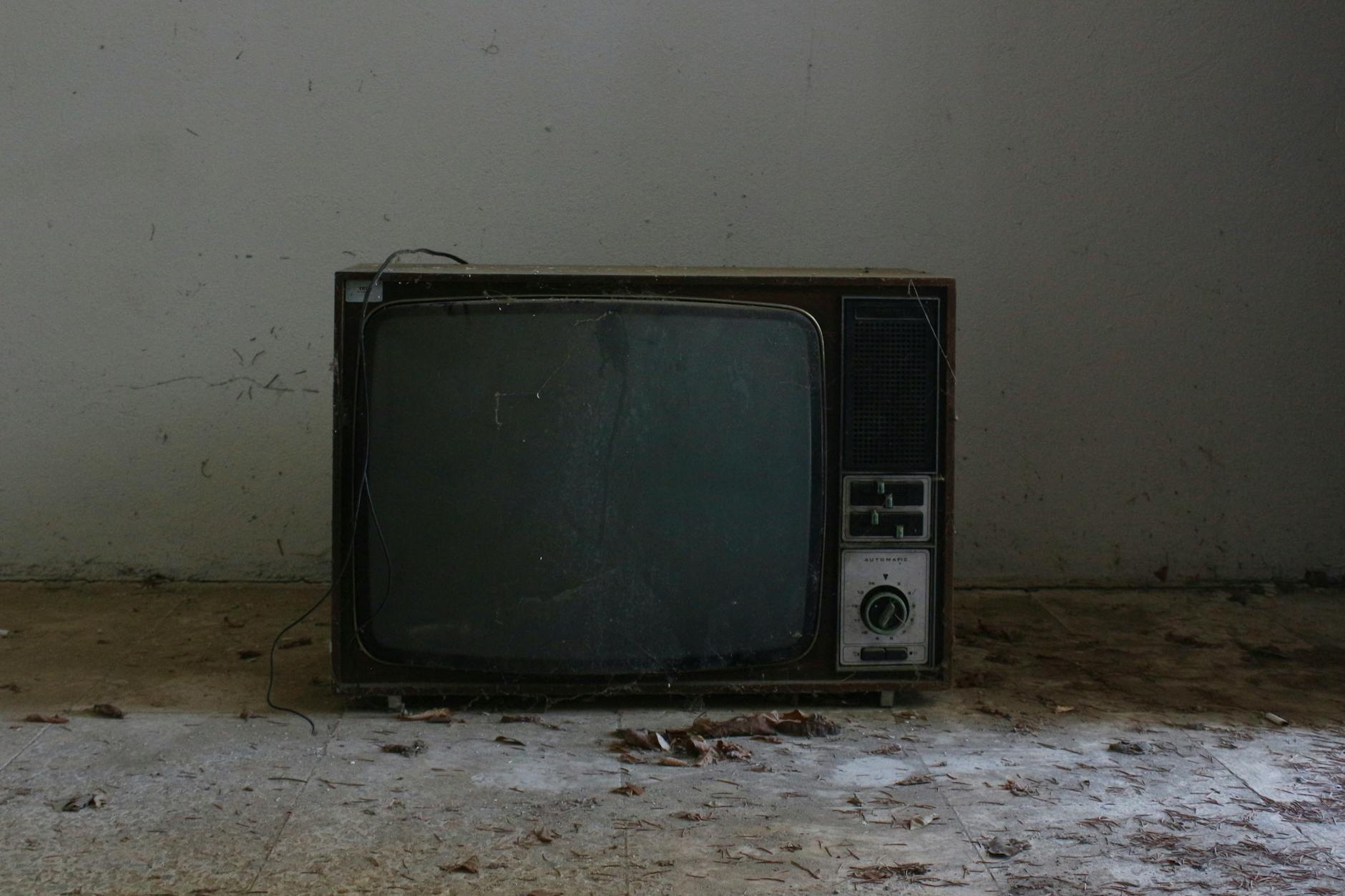
For decades, Americans sat down at the same time, on the same night, to watch the same show. It was a shared ritual so deeply woven into daily life that we barely noticed it was happening — until it was gone. The story of how we went from three channels and a TV Guide to infinite streaming is also the story of how we quietly stopped experiencing television together.

Lunch Used to Be Somewhere You Actually Went
Finance

Lunch Used to Be Somewhere You Actually Went

For most of the 20th century, the lunch hour was a genuine break — a meal, a walk, a conversation that had nothing to do with deadlines. Today, more than half of American workers eat at their desks, if they eat at all. What happened to the middle of the workday, and what did we lose when it disappeared?

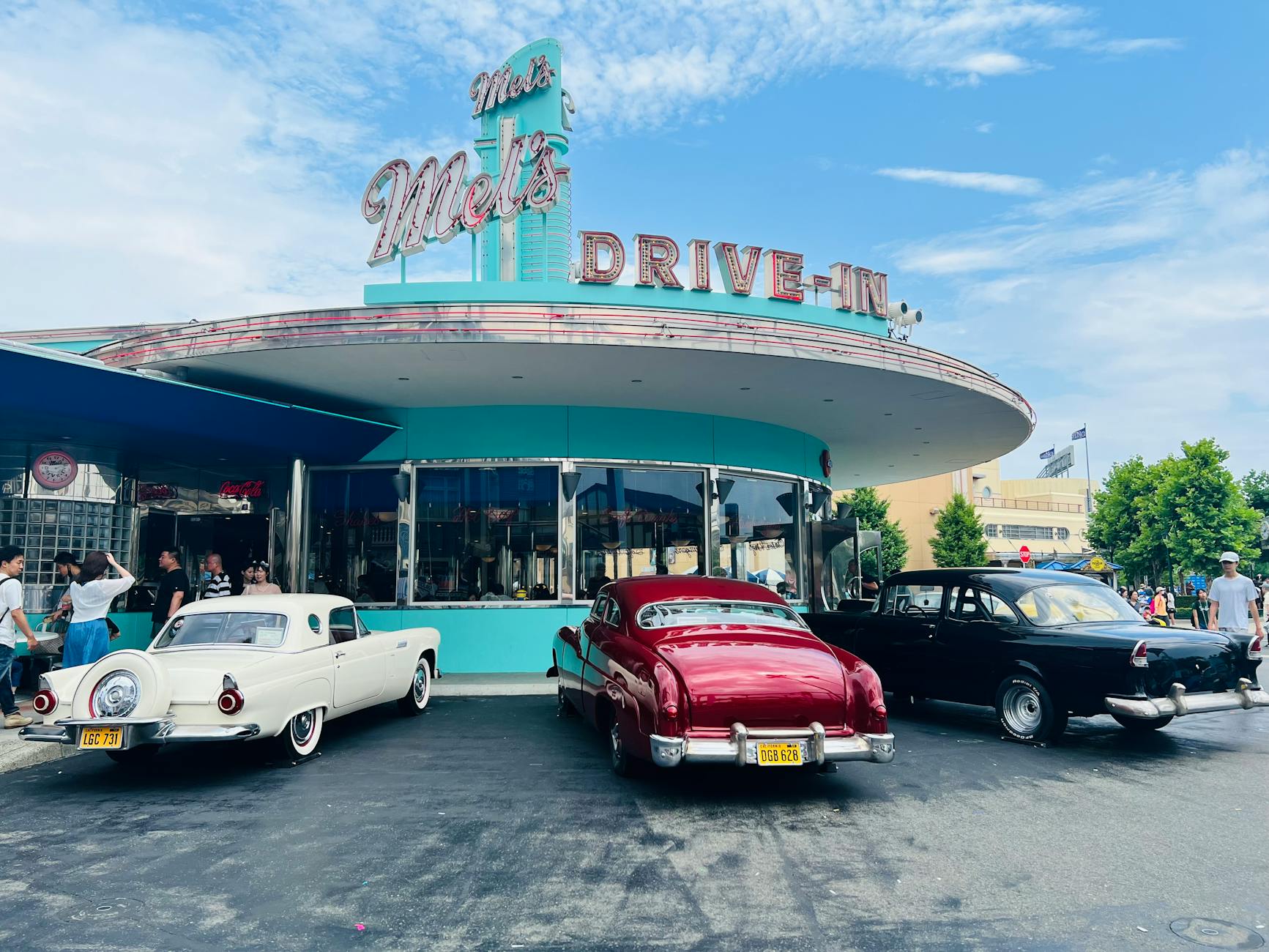
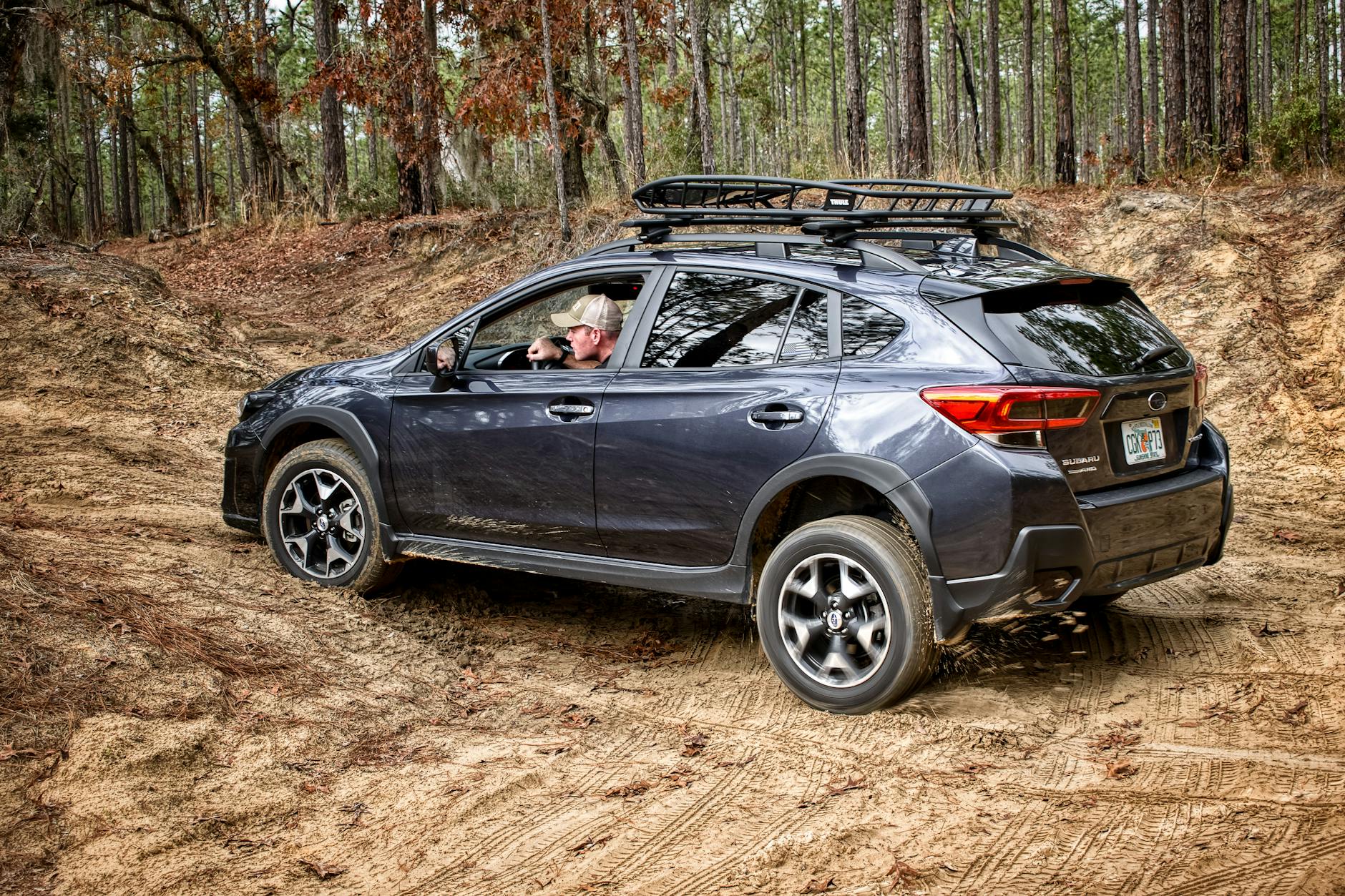
Three Weeks, Dirt Roads, and a Prayer: The Lost Art of Driving Across America
Travel

Three Weeks, Dirt Roads, and a Prayer: The Lost Art of Driving Across America

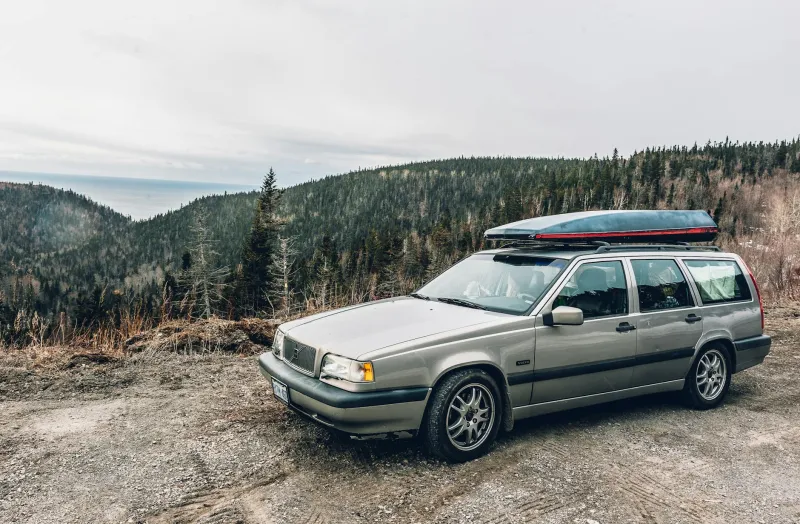
Before the interstate highway system existed, driving from New York to Los Angeles wasn't an adventure — it was an ordeal. Unpaved roads, scarce fuel, and weeks of grinding travel made a coast-to-coast trip something only the truly determined attempted. The road trip you know today barely resembles what those early drivers endured.

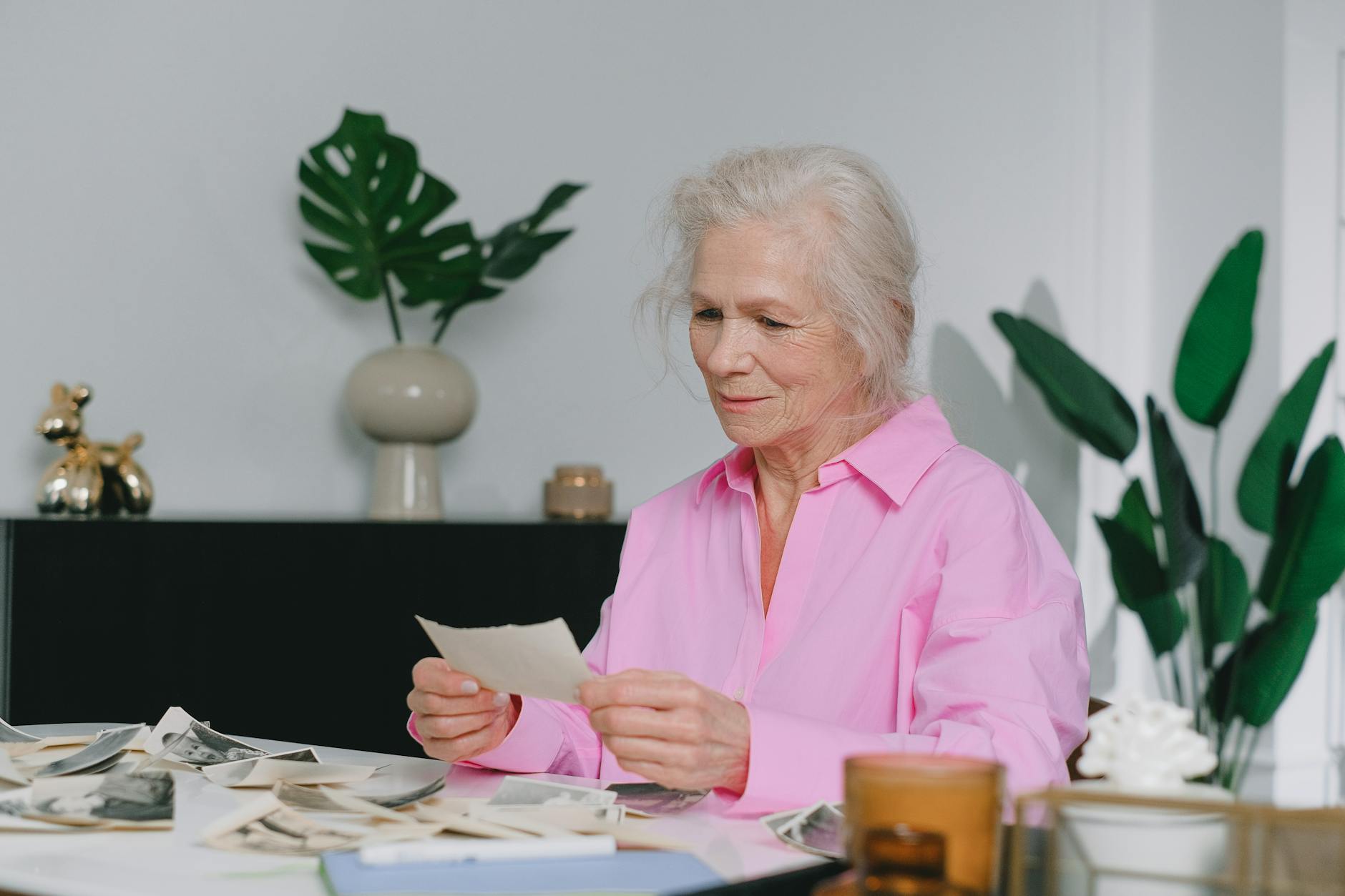
The Pension Promise: How Retirement Became Something Americans Have to Figure Out for Themselves
Finance

The Pension Promise: How Retirement Became Something Americans Have to Figure Out for Themselves

For much of the twentieth century, a working American who put in their years could reasonably expect a pension, a reliable Social Security check, and a retirement that started at 65. That version of the deal has been quietly dismantled over the past four decades. Understanding what replaced it — and what was lost — matters more than most people realize.

Sixty Years of Grocery Shopping: How the American Supermarket Quietly Became a Different Planet
Culture

Sixty Years of Grocery Shopping: How the American Supermarket Quietly Became a Different Planet

Walk into a supermarket in 1965 and you'd find maybe 6,000 products, a modest produce section, and no such thing as a ready-made meal. Today's grocery store stocks upward of 40,000 items from every corner of the world. The transformation of this most ordinary of American errands tells a surprisingly big story about who we've become.