When Curiosity Required a Pilgrimage: The Library That Held All the Answers Americans Needed
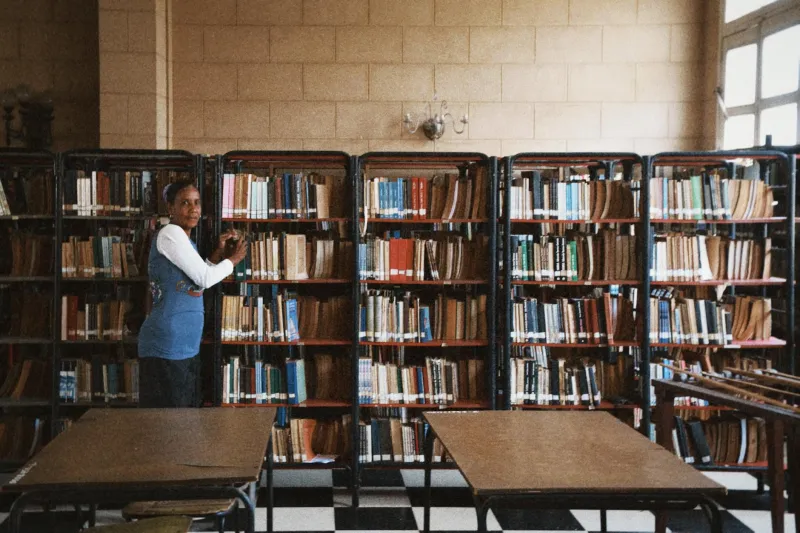
The Saturday Morning Knowledge Quest
Every weekend, American families made pilgrimages to their local library armed with lists of questions that had accumulated throughout the week. What year was the Eiffel Tower built? How do you grow tomatoes in clay soil? What's the difference between a hurricane and a typhoon? These weren't urgent questions requiring immediate answers—they were curiosities worth investigating when you had time to investigate properly.
 Photo: Eiffel Tower, via c8.alamy.com
The reference desk was the beating heart of this system, staffed by librarians who functioned as human search engines long before that phrase existed. They knew which encyclopedia contained the best information about ancient Rome, where to find reliable statistics about local demographics, and how to track down obscure historical documents. More importantly, they knew how to teach people to find information for themselves.
This process took time, and Americans expected it to take time. Research was something you planned for, not something you did impulsively between traffic lights. The delayed gratification of finding answers made those answers feel more valuable when you finally discovered them.
The Accidental Education of Browsing
The most important discoveries happened by accident. You'd go looking for information about the Civil War and stumble across a fascinating book about 19th-century medicine. You'd research vacation destinations and end up reading about local geology. The physical act of browsing shelves meant you encountered ideas and topics you would never have thought to search for deliberately.
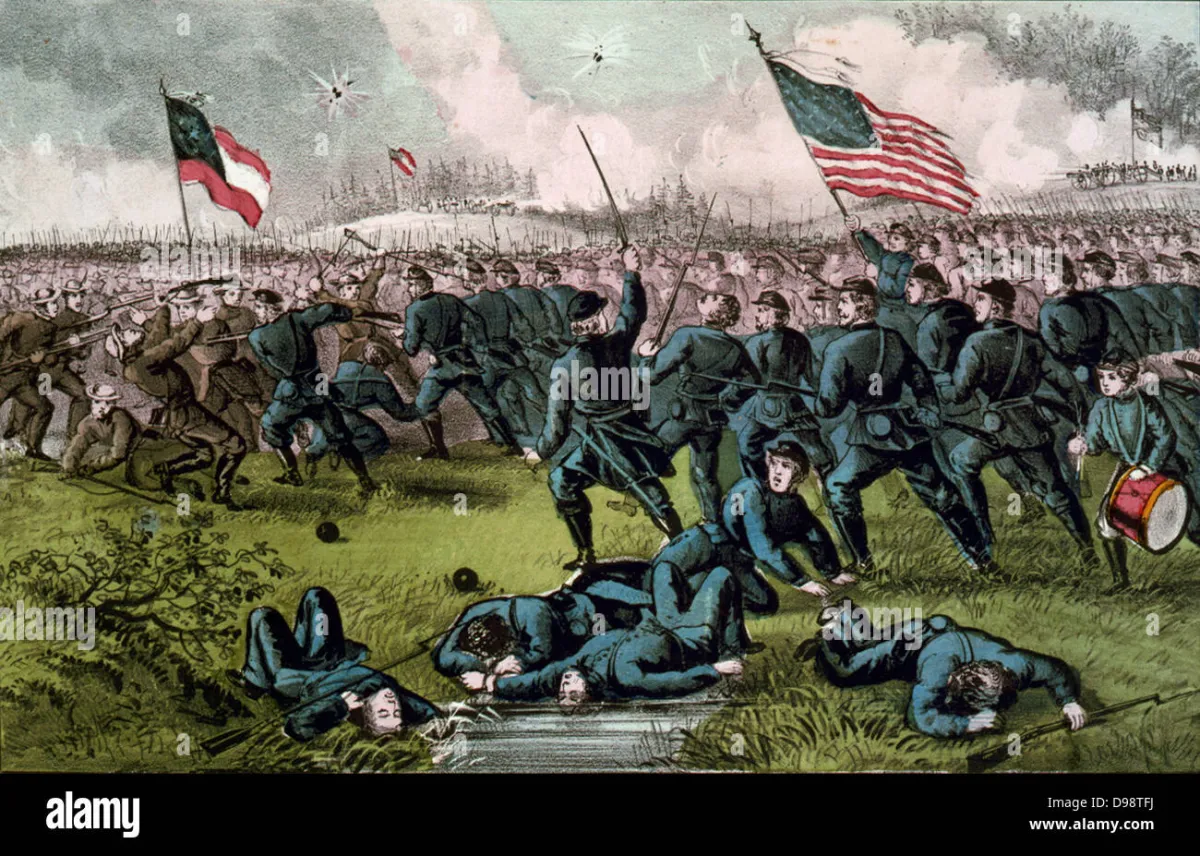 Photo: Civil War, via c8.alamy.com
This serendipitous learning shaped how Americans developed interests and hobbies. Expertise grew organically through exploration rather than targeted searches. People became amateur historians, naturalists, or specialists in obscure topics simply because they happened to pull the right book off the shelf while looking for something else entirely.
The card catalog system encouraged this kind of wandering. Looking up one topic inevitably led to discovering related subjects, cross-references, and unexpected connections. The physical organization of knowledge made relationships between ideas more visible and more likely to be explored.
When Research Required Real Skills
Finding information in a pre-internet library required actual research skills that Americans had to learn and practice. You needed to understand how the Dewey Decimal System worked, how to use multiple indexes, and how to evaluate the reliability of different sources. These weren't innate abilities—they were learned competencies that people developed through repeated use.
Librarians taught these skills as part of their regular service. They showed people how to use the Reader's Guide to Periodical Literature, how to navigate government documents, and how to cross-reference information across multiple sources. Americans learned to be skeptical of single sources and to verify important information through independent confirmation.
This education in research methodology had lasting effects on how people approached information in general. Americans who learned to find information the hard way developed better instincts for evaluating credibility, understanding bias, and recognizing the difference between facts and opinions.
The Democracy of Curated Knowledge
Public libraries democratized access to information in a way that seems almost revolutionary in hindsight. Every American, regardless of income or education level, had free access to the same encyclopedias, reference books, and periodicals that wealthy people kept in their private libraries. The library was the great equalizer, making high-quality information available to anyone willing to make the trip.
Librarians served as neutral guides to this information, helping people find answers without judging the questions. They assisted everyone from elementary school students working on science projects to adults settling family disputes about historical facts. The reference desk was a place where curiosity was always welcome and no question was too simple or too complex.
This system created a shared baseline of reliable information. When Americans had disagreements about factual matters, they could appeal to authoritative sources that everyone trusted. The Encyclopedia Britannica or the World Almanac weren't perfect, but they were consistent reference points that provided common ground for settling disputes.
 Photo: Encyclopedia Britannica, via thumbs.dreamstime.com
The Patience That Came With Difficulty
The effort required to find information created a different relationship between questions and answers. Americans thought more carefully before seeking information because seeking information required real investment of time and energy. Trivial questions stayed trivial; only genuinely important or interesting queries justified a trip to the library.
This friction also meant that people spent more time with the information they found. When you invested an hour finding the answer to a question, you were more likely to read thoroughly, take notes, and remember what you learned. The difficulty of acquisition increased the perceived value of knowledge.
Americans developed longer attention spans for learning because the research process itself required sustained focus. You couldn't bounce between topics with the click of a mouse; changing subjects meant walking to a different section of the library and starting a new search process. This created deeper, more concentrated learning experiences.
The Death of Authoritative Sources
The internet didn't just make information faster to find—it fundamentally changed what Americans consider to be authoritative information. The carefully curated, professionally edited reference materials that libraries provided have been replaced by crowd-sourced content of wildly varying quality. The gatekeeper function that librarians served has largely disappeared.
This democratization of publishing has obvious benefits, but it also eliminated the quality control that the old system provided. When anyone can publish anything online, the burden of evaluating credibility shifts from professional editors to individual users—many of whom never learned the research skills that libraries once taught.
The shared reference points that once helped Americans settle factual disputes have fragmented into countless sources with different standards, biases, and levels of reliability. The common ground that authoritative sources provided has largely disappeared, contributing to an environment where people can't even agree on basic facts.
What We Lost in the Translation to Digital
The shift from libraries to search engines changed more than how Americans find information—it changed how they think about information itself. The serendipitous discovery that came from browsing physical shelves has been replaced by algorithmic suggestions based on previous searches. Americans now encounter information that confirms their existing interests rather than challenging them with unexpected ideas.
The research skills that libraries taught—how to evaluate sources, cross-reference information, and distinguish between reliable and unreliable materials—have become less common just as they've become more necessary. The ability to navigate information overload, which seemed like a problem that technology would solve, has instead become a crucial skill that fewer people possess.
Perhaps most importantly, Americans lost the communal aspect of learning that libraries provided. The reference desk was a place where people could admit ignorance without shame and get help from knowledgeable professionals. The shared space of learning created connections between strangers and reinforced the idea that curiosity and education were community values worth supporting.
The library was more than a building full of books—it was a physical manifestation of the idea that information should be freely available, carefully organized, and professionally maintained for the benefit of everyone. That idea hasn't disappeared, but it has moved online where it operates according to different principles, serving different purposes, and creating different relationships between people and knowledge.
The questions Americans ask haven't changed much, but the process of finding answers has been completely transformed. What we gained in speed and convenience, we lost in depth, serendipity, and the shared experience of learning together in a place designed specifically for the pursuit of knowledge.