The Man Who Fixed Everything Lives Three Blocks Away: How America Lost Its Neighborhood Repair Network
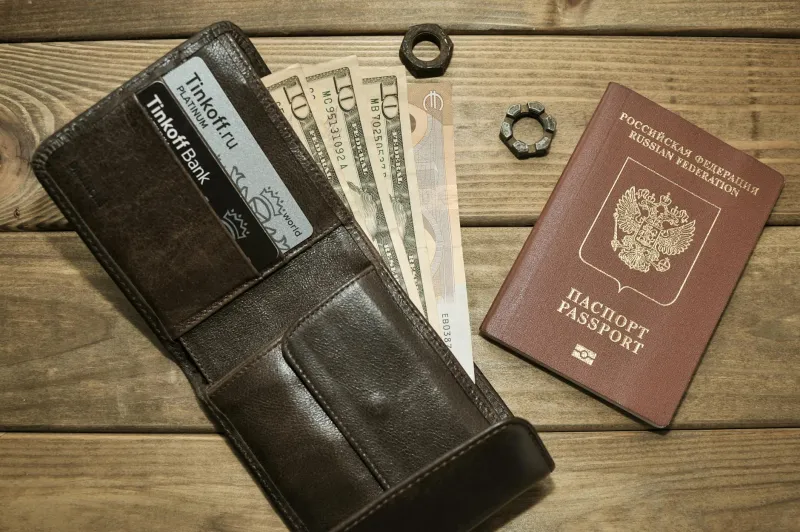
The Business Card That Never Left Dad's Wallet
In the back pocket of every American father's wallet, behind the crumpled receipts and family photos, lived a small collection of business cards that told the story of how things actually got fixed. There was Eddie the electrician, whose daughter played softball with yours. Mike the plumber, who sat three pews behind you at St. Mary's every Sunday. And Frank the carpenter, who'd been building kitchen cabinets since before you were born and whose phone number your dad had memorized by heart.
 Photo: St. Mary's, via www.hondacengkareng.com
These weren't just service providers. They were neighbors who happened to know how to rewire a basement or unclog a drain that had been giving you trouble since 1987.
When Trust Had an Address
For most of the 20th century, American neighborhoods operated on an invisible network of skilled tradespeople who lived, worked, and raised families within a few miles of each other. Your electrician didn't just wire your house — he wired half the block, which meant he understood the peculiarities of 1950s construction that made your outlets spark every time you plugged in the vacuum.
This wasn't about convenience. It was about something deeper: accountability that came from shared geography. When Mike the plumber installed your water heater, he knew he'd see you at the grocery store next Tuesday. If something went wrong, there was nowhere to hide. His reputation lived in the same zip code as his customers.
The referral system was beautifully simple. Your neighbor's kitchen renovation looked fantastic, so you asked who did the work. Three months later, you're having coffee in your own newly remodeled space, installed by the same guy who now had two more jobs lined up from people who'd seen your place.
The Death of the Neighborhood Rolodex
Sometime in the 1990s, this intimate repair ecosystem began to fracture. Big box stores started promoting their own contractor networks. National chains promised standardized service that looked identical whether you lived in Ohio or Oregon. The guy who knew your house became the guy who showed up with a clipboard and treated your home like just another address on his route.
Then came the internet, promising to solve the trust problem with technology. Instead of asking your neighbor who fixed their roof, you could read reviews from hundreds of strangers. Five-star ratings replaced face-to-face recommendations. Algorithms decided who was trustworthy based on data points instead of decades of community standing.
The App That Knows Nothing About Your House
Today's homeowner opens an app, scrolls through profiles of contractors they've never met, and invites strangers into their most private space based on star ratings and profile photos. The plumber arrives with no context about your neighborhood's notorious water pressure issues or the fact that your basement floods every spring. He's never seen your house before, doesn't know that the previous owner was a weekend warrior who "fixed" things with duct tape and determination.
The efficiency is undeniable. You can book a repair appointment at 2 AM while lying in bed. But something essential has been lost in translation. The new system optimizes for speed and convenience while sacrificing the deep local knowledge that made repairs actually stick.
What We Traded Away
The old neighborhood repair network wasn't just about fixing broken things. It was about maintaining relationships that made communities function. When Eddie the electrician installed your new ceiling fan, he'd mention that the Johnsons down the street were thinking about adding a deck, and maybe Frank the carpenter should give them a call. These connections created webs of mutual support that went far beyond individual transactions.
These tradespeople often became family friends. They knew your kids' names, remembered your anniversary, and understood that your budget was tight in December but more flexible after tax refunds arrived. They worked with payment plans that were sealed with handshakes, not credit checks.
More importantly, they took pride in their neighborhood. When every house on your street was a potential reference for future work, quality wasn't just about customer satisfaction — it was about community reputation.
The Stranger in Your Basement
Now we live with a peculiar anxiety that our grandparents never experienced: letting complete strangers into our homes based on nothing more than digital profiles and algorithmic recommendations. We've become experts at reading online reviews, parsing the difference between legitimate complaints and unreasonable customers, trying to decode whether someone is truly skilled or just good at managing their online presence.
The transaction has become simultaneously more transparent and more mysterious. You can see exactly what previous customers paid and read detailed accounts of their experiences. But you have no idea if this person understands your neighborhood, respects your community, or cares about anything beyond completing today's job and moving on to the next app-generated appointment.
The Repair Network That Repaired Itself
The neighborhood repair network wasn't perfect. Sometimes you waited weeks for Frank to fit you into his schedule because everyone wanted Frank. Occasionally, personal relationships complicated professional ones. But the system had a built-in quality control mechanism that no app has managed to replicate: if someone did shoddy work, everyone in a five-mile radius knew about it by Sunday morning.
That network also created pathways for young people to learn trades through apprenticeships that felt more like family mentorships. The electrician's son learned by watching his father work on houses where they were welcomed like old friends, not treated like potential threats.
Today's repair culture has gained efficiency and lost intimacy. We can fix things faster than ever before, but we've forgotten what it felt like to have someone fix them who actually cared about the neighborhood they were helping to maintain. The business cards in dad's wallet told a story about community that we're still trying to replace with technology — and discovering that some things can't be optimized, only remembered.